

Walkie Talkie for School Campus Malaysia: Safety Guide
Plan school campus walkie talkies in Malaysia for security guards, discipline teachers, bus bays, clinic response, events and emergency lockdowns.
Walkie Talkie for School Campus Malaysia: Safety Guide starts with clear zones, short call signs and a channel plan staff can follow under pressure.
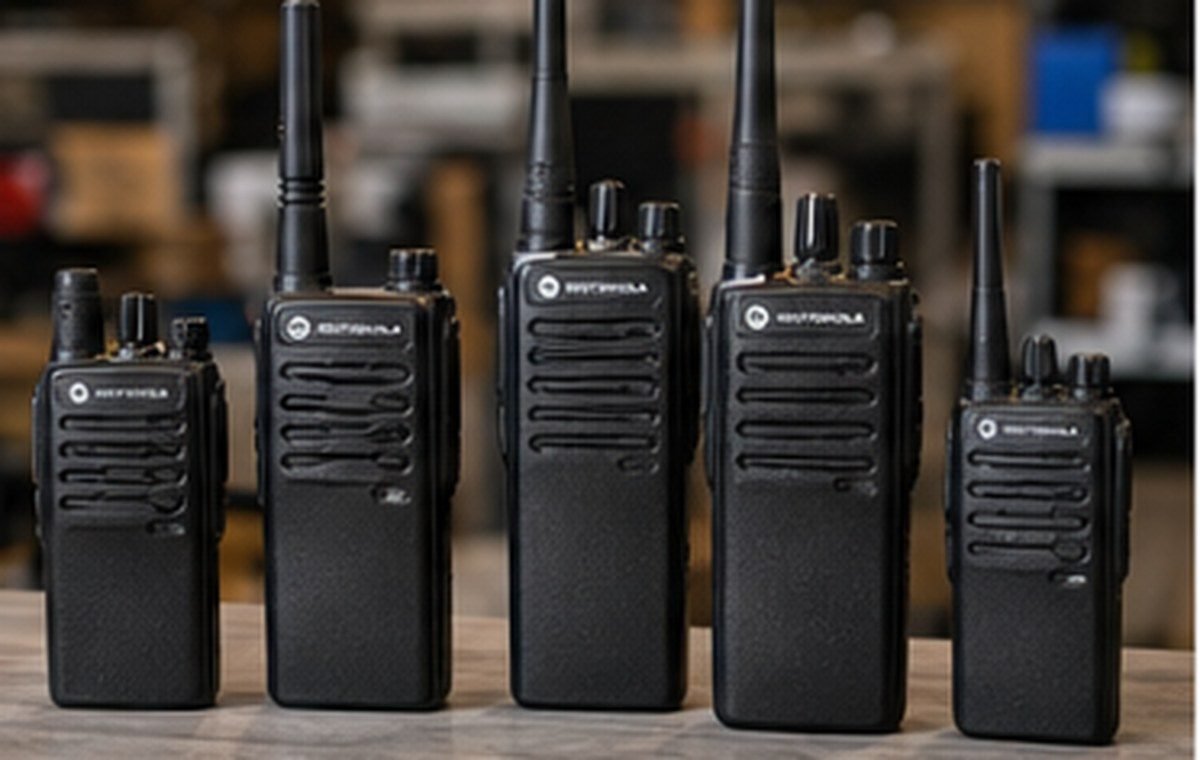
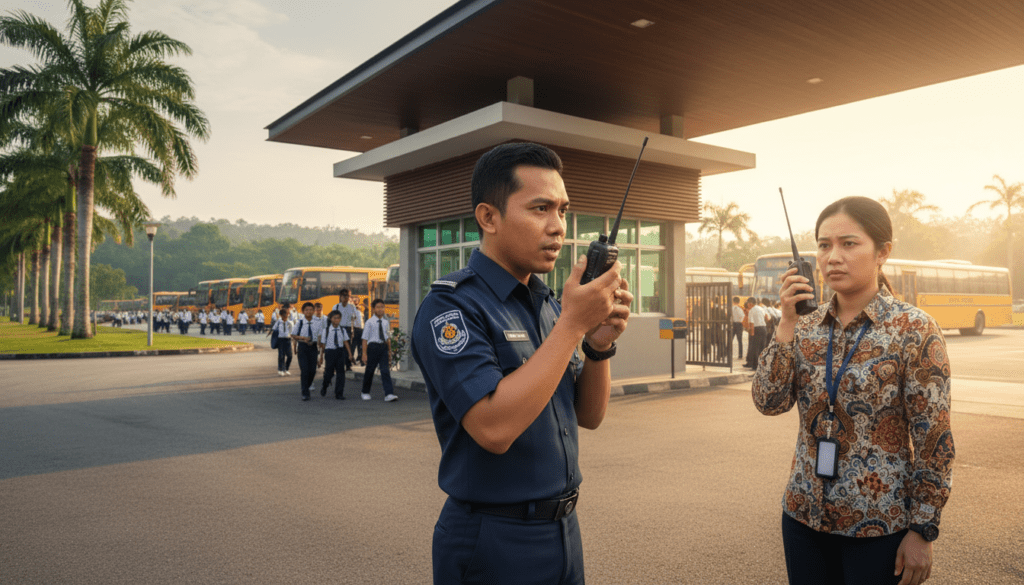
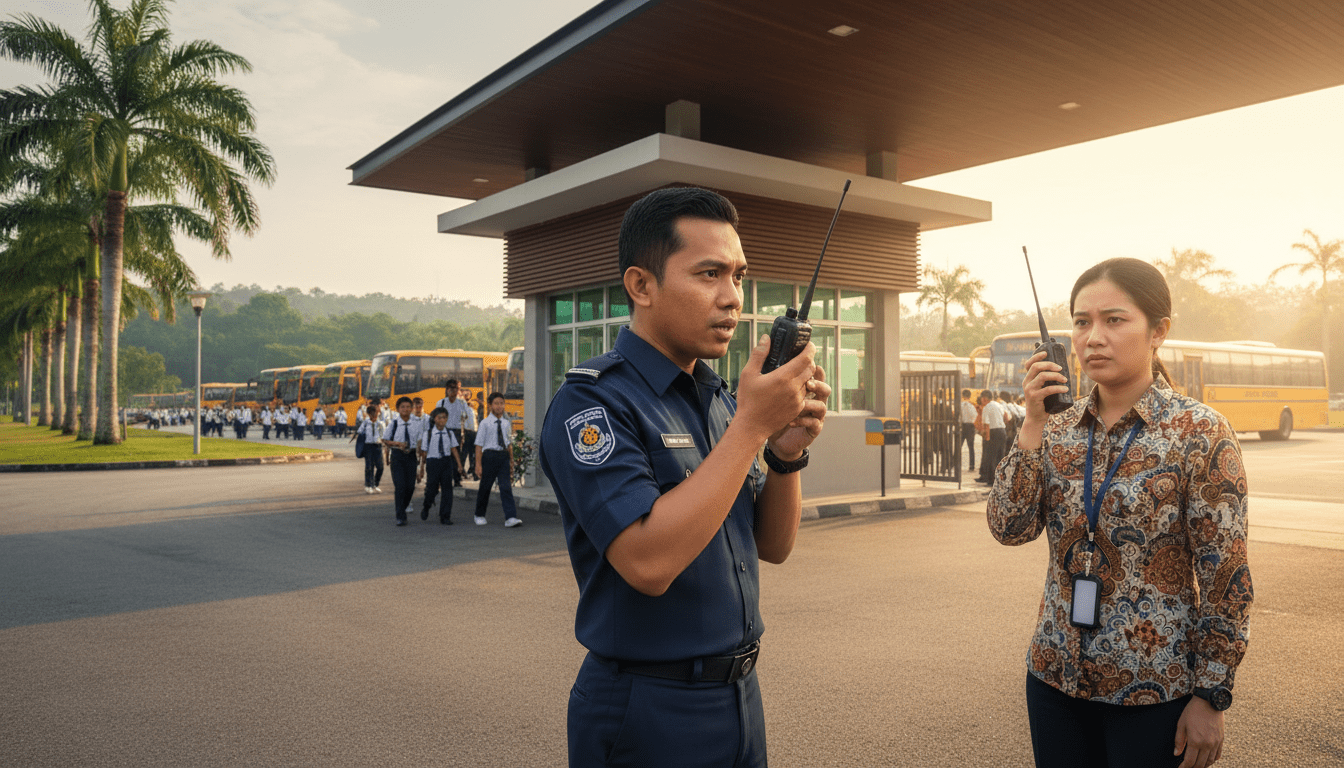
Octogen recommends planning radios around real locations, not just user count. For Malaysian school campus with guardhouse, classroom blocks, bus bay, assembly hall, sports field and clinic room, the radio setup should help supervisors reach the right person in seconds without moving sensitive details onto open channels.
Response index
Measures whether the team can call, acknowledge and resolve routine issues before they become customer-facing problems.
Escalation flow
The best radio plan is short enough to use during a busy shift and strict enough to keep emergency traffic clear.
Channel map
Keep daily operations, support traffic and emergency escalation apart.
Quick answer for campus safety
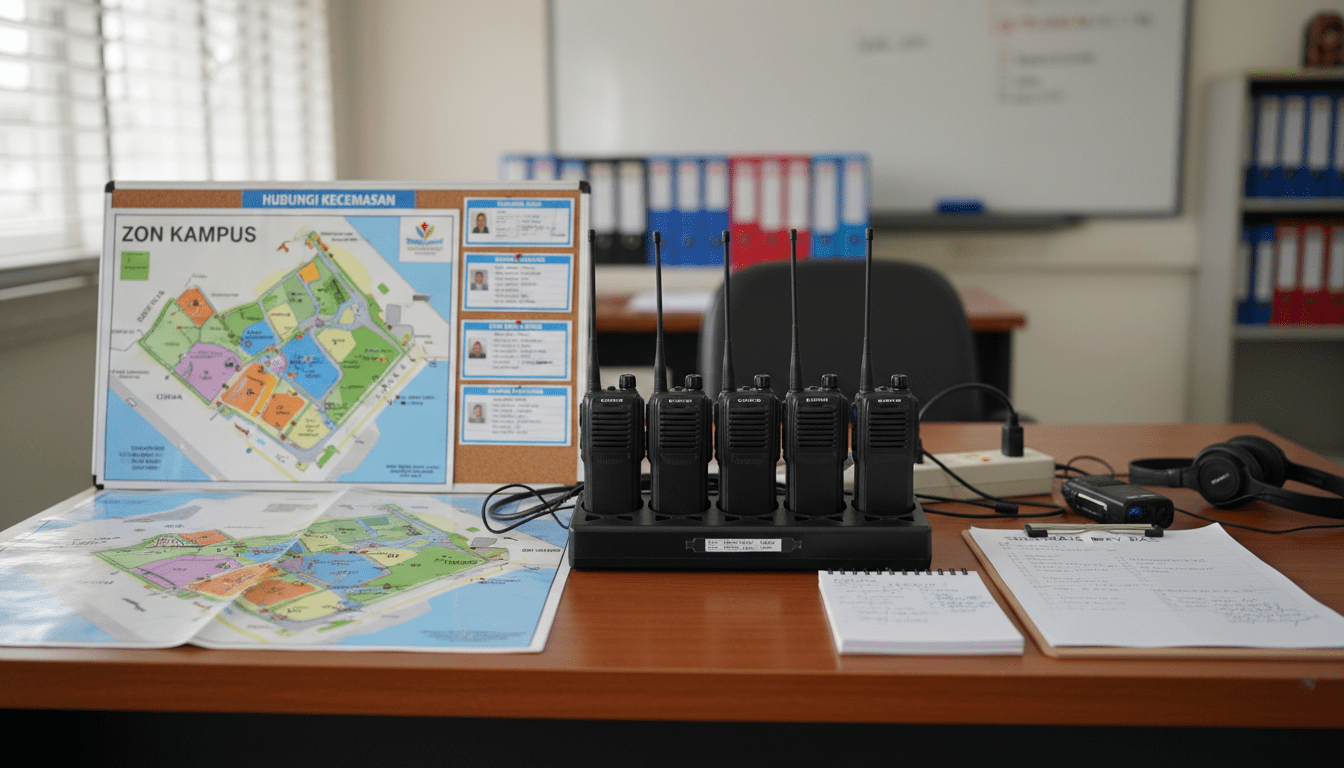
The safest starting point is not the number of radios. Start with where calls happen: campus lockdown, bus arrival, clinic response, after-school events. Each location should have a clear call sign, a channel owner and a backup contact when the first person is busy.
In practice, a campus safety team should keep normal traffic short and move sensitive details to a supervisor call or private follow-up. Walkie talkies are for fast coordination, not long explanations.
Octogen can help Malaysian teams compare rental and purchase options after checking user count, shift length, building layout, charger location and whether UHF coverage reaches the weak zones.
- Use separate channels for Guardhouse, Discipline, Bus Bay, Clinic and emergency escalation.
- Assign call signs by role instead of personal names so relief staff can take over cleanly.
- Test coverage in the actual dead zones before buying or deploying a full fleet.
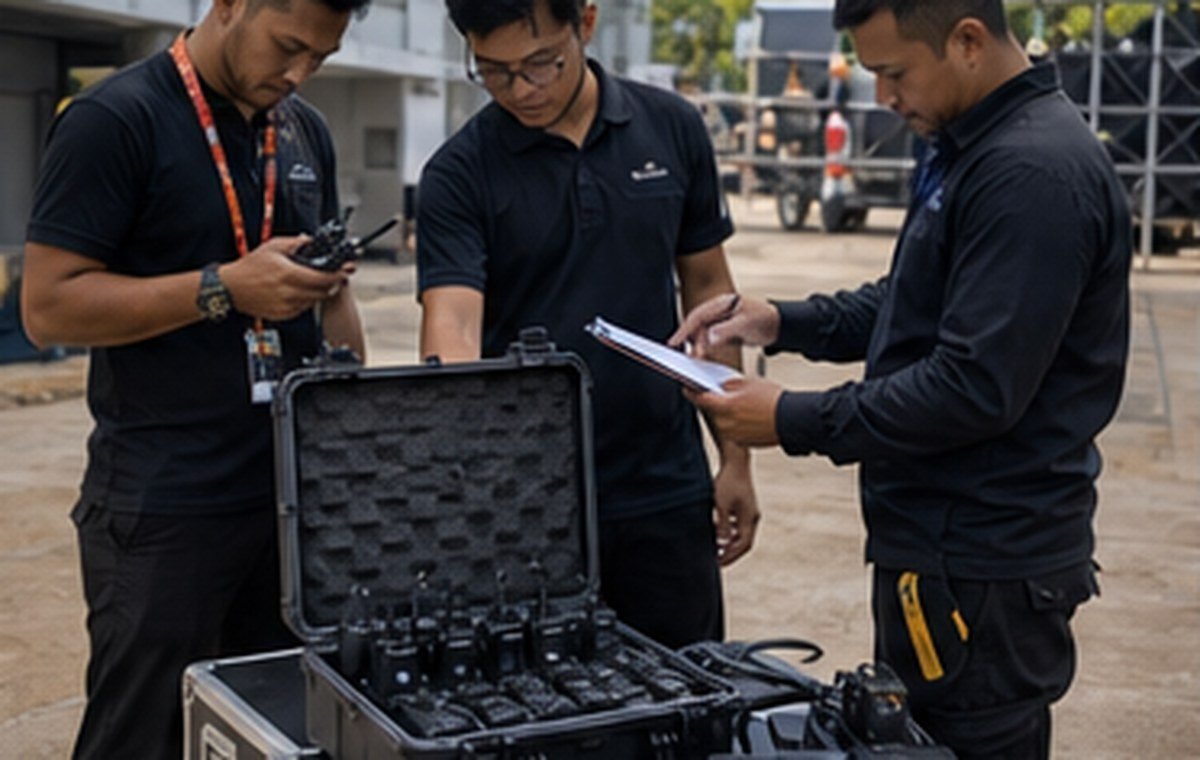
- Keep one spare radio and one spare battery at the control point for every active shift.
Channel plan for school campus walkie talkie Malaysia
Octogen normally starts with 6 practical channels for this scenario: Guardhouse, Discipline, Bus Bay, Clinic, Events, Emergency. Smaller sites can combine channels, but emergency and supervisor escalation should stay protected from routine chatter.
For example, if a staff member reports an incident at campus lockdown, the first reply should confirm location, person assigned and next update time. This keeps the radio channel useful without creating a long conversation.
The channel label on the radio should match the printed duty sheet. If the radio says Channel 3 but the team calls it Parking, Bus Bay or Clinic, new staff will hesitate during real incidents.
| Channel | Use | Rule |
|---|---|---|
| Ch 1 | Guardhouse | Main coordination only; keep messages short. |
| Ch 2 | Discipline | Use for assigned role traffic and handover notes. |
| Ch 3 | Bus Bay | Use for assigned role traffic and handover notes. |
| Ch 4 | Clinic | Use for assigned role traffic and handover notes. |
| Ch 5 | Events | Use for assigned role traffic and handover notes. |
| Ch 6 | Emergency | Emergency traffic overrides routine updates. |
Coverage test before deployment
A proper walk-test should cover entrances, back corridors, service rooms, lift lobbies, outdoor waiting areas and any lower-ground area. Malaysian concrete, steel shutters, tinted glass and dense fixtures can reduce range even when the site looks small on a floor plan.
For example, a guardhouse may hear the admin office clearly but fail at the far end of a bus bay, basement corridor or plant room. Test with real staff movement, not only from desk to desk.
If coverage fails, the answer may be antenna placement, a repeater, a different band, or a revised patrol route. Octogen should confirm this before the team commits to a permanent fleet.
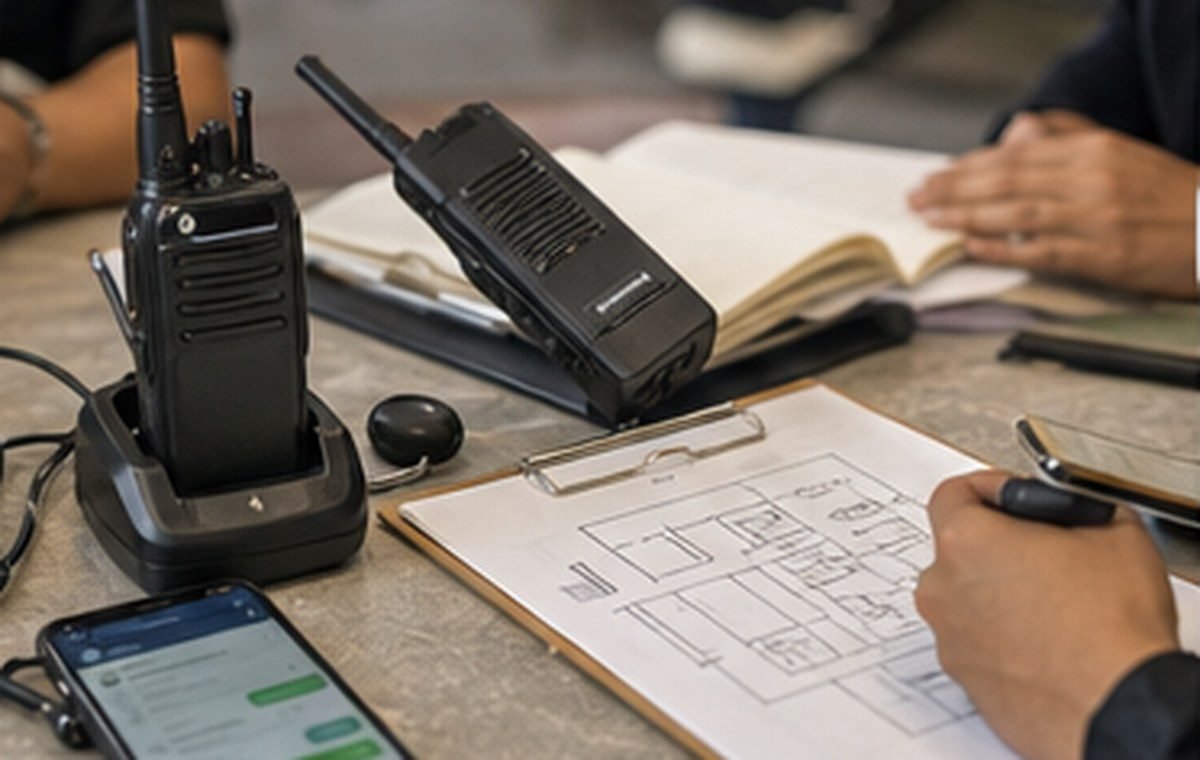
- Mark strong, weak and failed points on a printed site map.
- Test during peak noise and peak crowd movement, not only during quiet hours.
- Repeat the test with doors closed, shutters down and lifts operating.
- Record which radio model, battery and antenna were used during the test.
Device and accessory selection
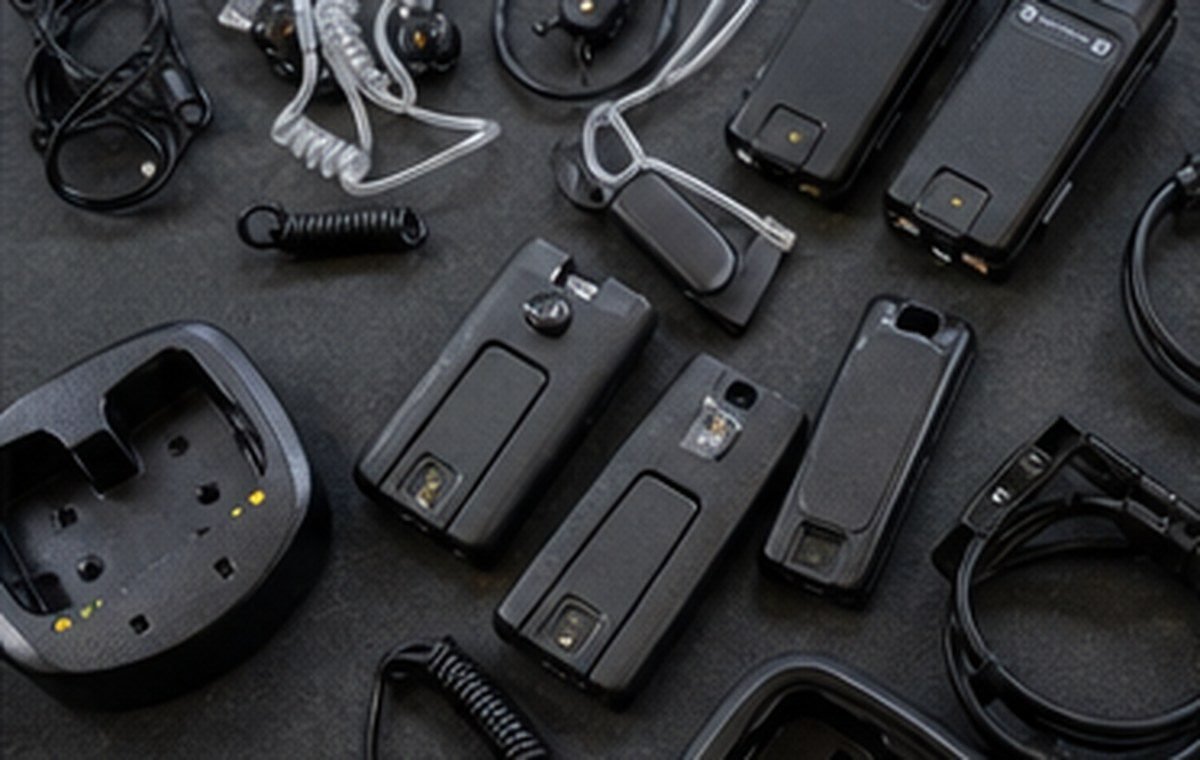
For education safety, Octogen usually checks audio volume, battery capacity, belt clip strength, charger placement, earpiece comfort and whether the push-to-talk button can be used quickly. A cheaper radio becomes expensive if staff stop carrying it because it is uncomfortable.
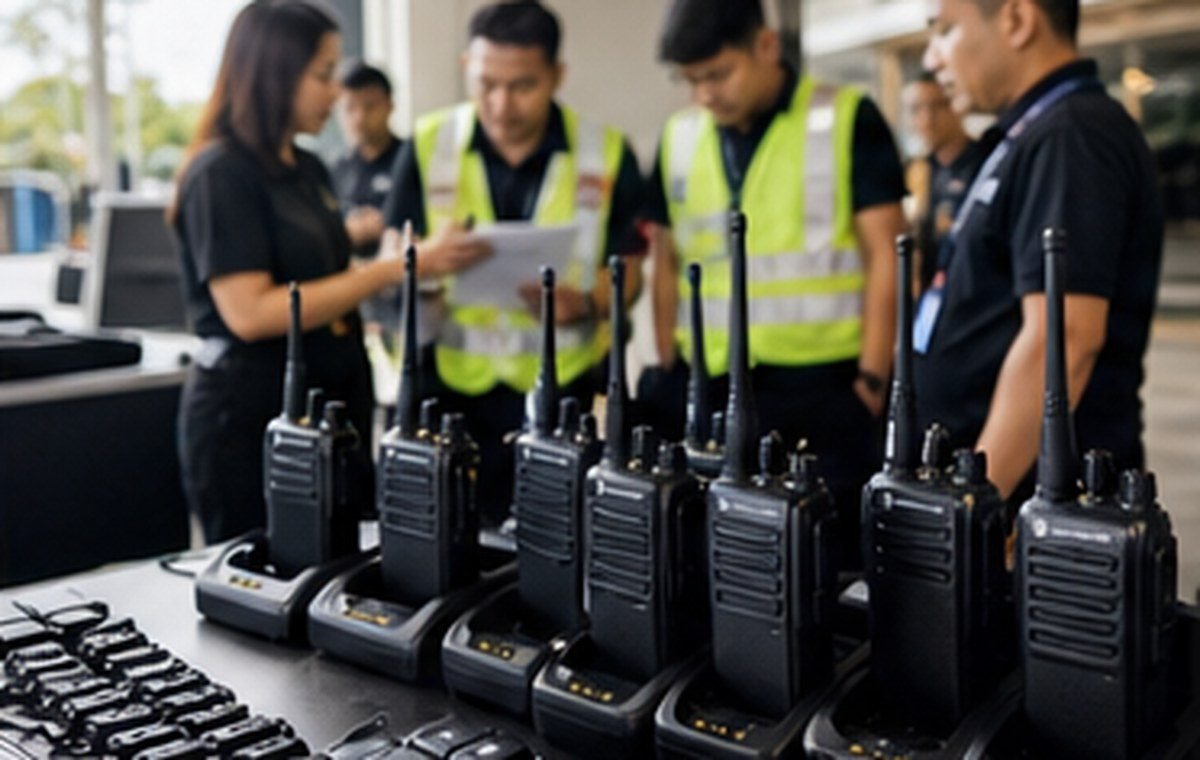
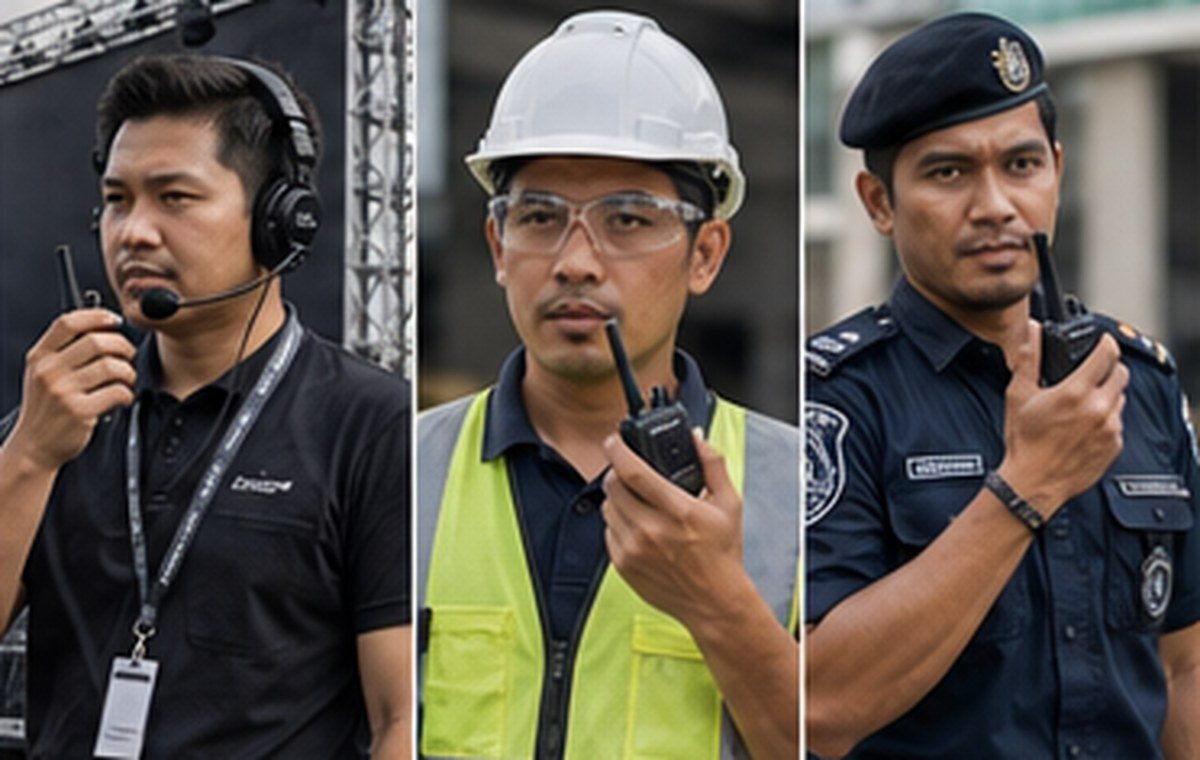
Use discreet earpieces where the public should not hear radio traffic. Use speaker microphones where staff wear belts, safety vests or rain gear. Use multi-slot chargers when units must be returned, charged and reassigned between shifts.
For example, a supervisor who moves between bus arrival and clinic response needs a radio setup that stays reachable without holding a phone or leaving the duty point.
Real Deployment Notes
A printed campus safety channel card helps relief staff use the same call signs and escalation words as the main team.
After one week, ask which calls were missed, which zones were weak and which channel had too much chatter. Adjust the channel plan before bad habits become normal.
Do not broadcast personal, medical, student, tenant or customer-sensitive details over an open channel. Use the radio to move the right person to the right place.
Common Customer Questions
How many walkie talkies are needed for campus safety?
Most Malaysian sites should start with one radio per active duty role plus 10 to 20 percent spare units. For Malaysian school campus with guardhouse, classroom blocks, bus bay, assembly hall, sports field and clinic room, count supervisors, security, support staff, facilities and emergency backup before deciding.
Should campus safety teams rent or buy radios?
Rental is better for temporary projects, events and trials. Purchase is better when the same team uses radios every day. Octogen can compare both after checking user count, shift length and coverage needs.
Do these radios need MCMC compliance in Malaysia?
Professional radio deployment in Malaysia should use legal, approved equipment and appropriate frequency planning. Octogen can advise whether rental, licensed channels or other compliant options fit the site.
Can walkie talkies cover indoor and outdoor areas together?
Often yes, but it must be tested. UHF radios usually suit indoor operations better, while larger outdoor or multi-building sites may need repeater support or a revised coverage plan.
What is the most common deployment mistake?
The most common mistake is buying radios before defining channels, call signs, charger location and dead zones. The result is a fleet that exists on paper but is not trusted during busy shifts.
Ask Octogen About Your Site Coverage
Send Octogen your site layout, user count, shift pattern and campus lockdown concerns. The team can recommend a practical radio count, channel plan, accessories and coverage test for Malaysian operations.