Walkie Talkie for Mall Management Malaysia: Tenant Guide
Coordinate Malaysian mall security, tenant support, parking, housekeeping and maintenance teams with practical walkie talkie channel planning.
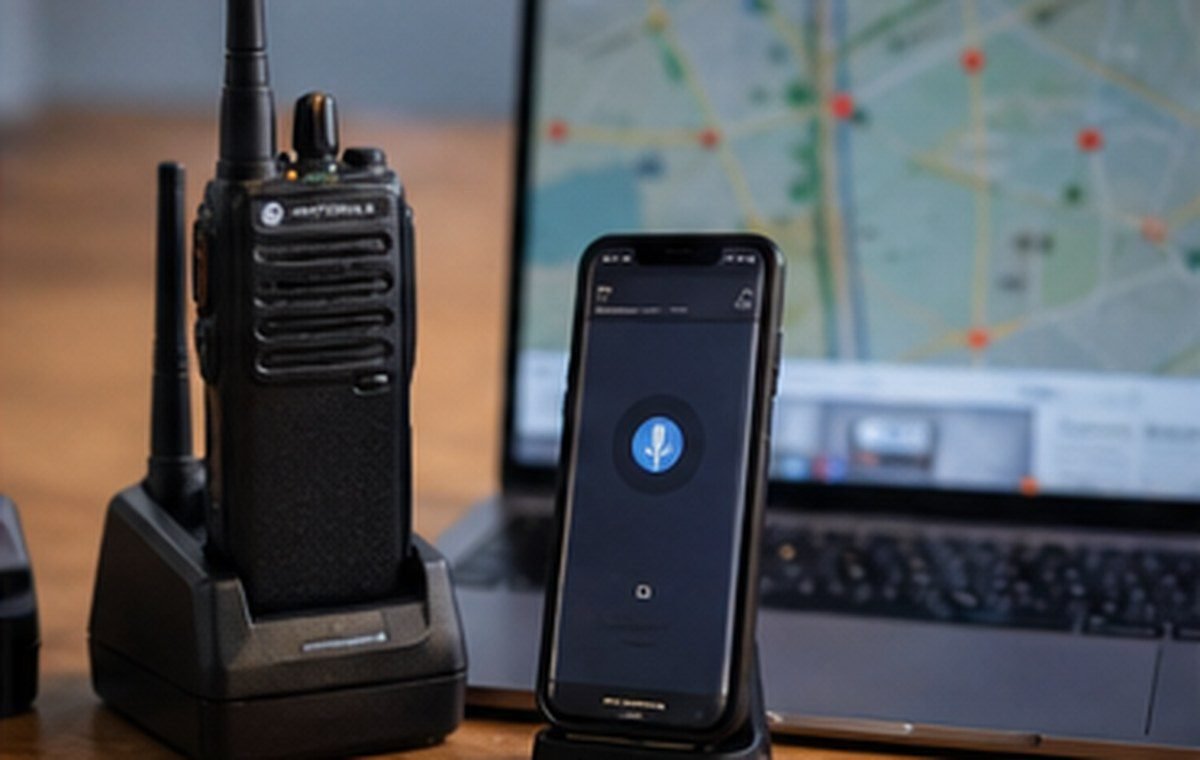
Treat mall radios like a live operations desk, not a shared chat channel.
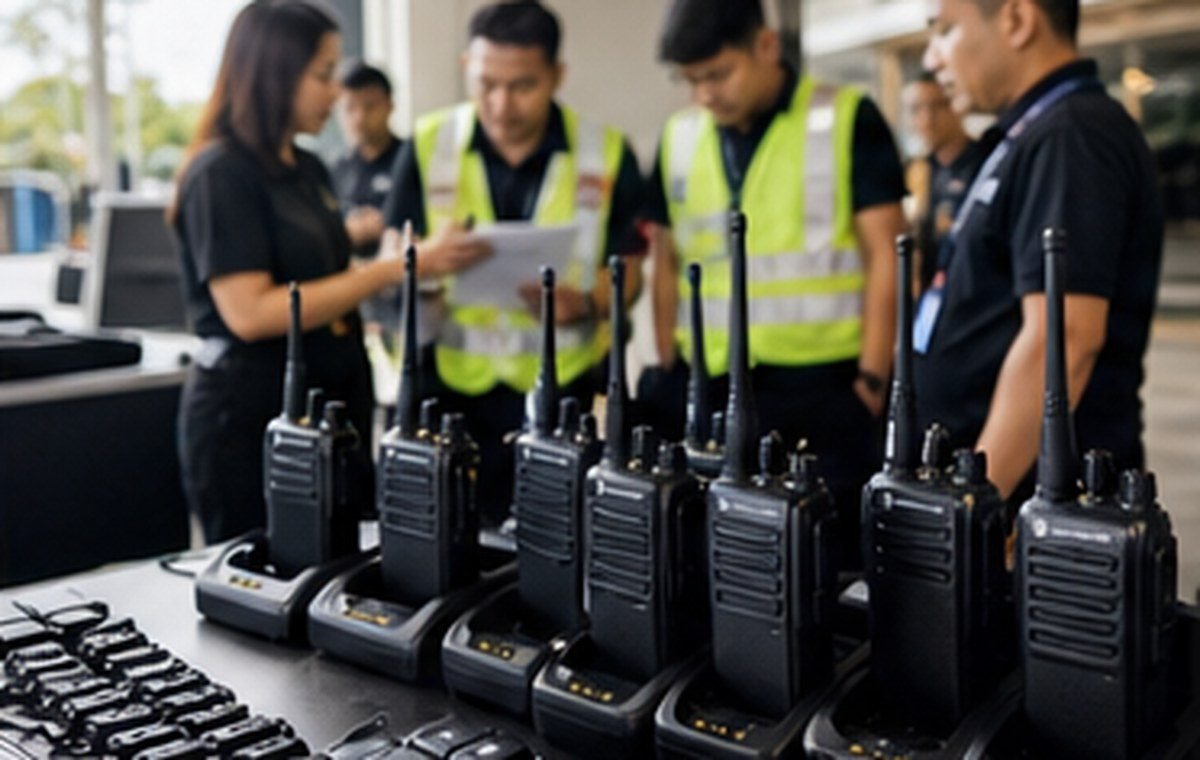
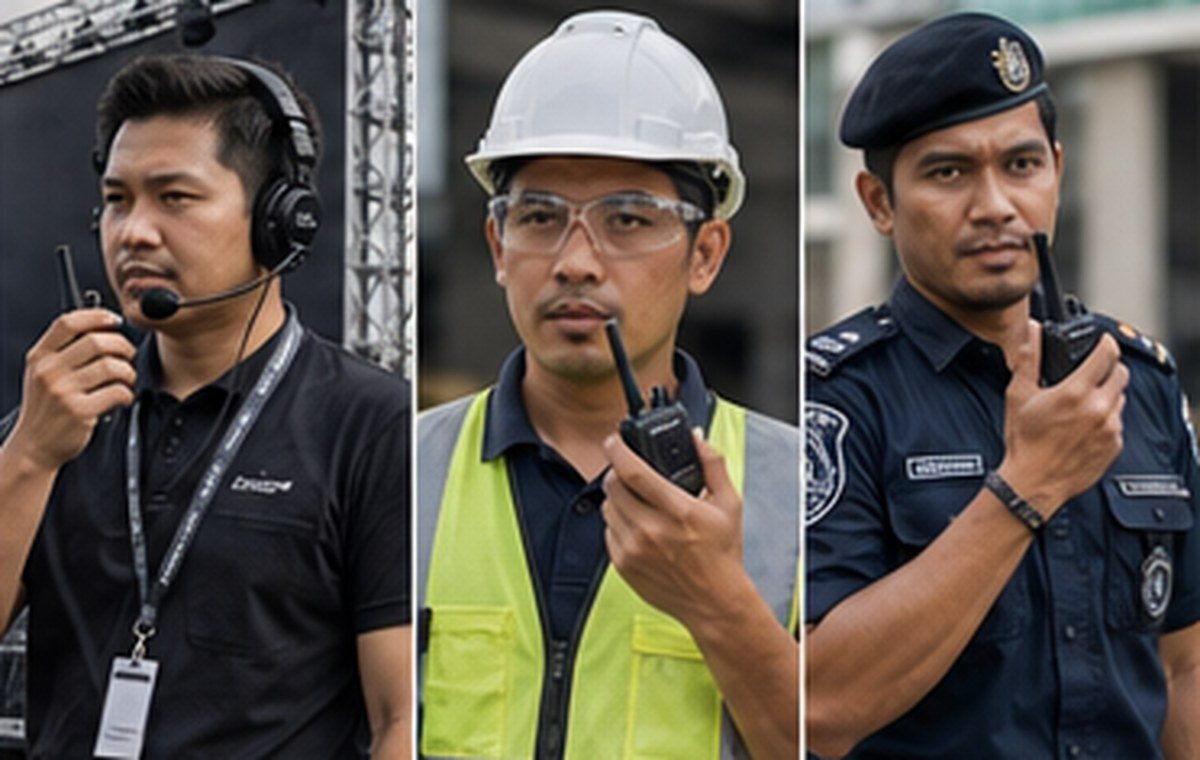
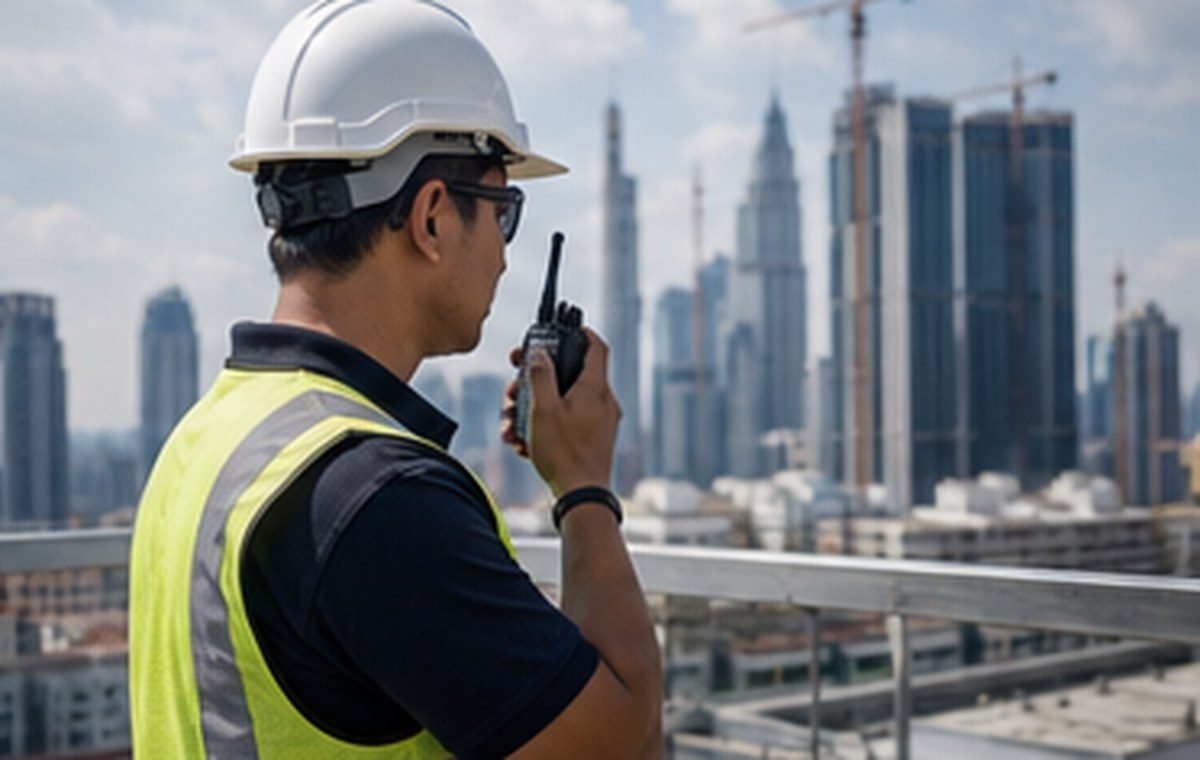
Octogen has supplied two-way radios to Malaysian sites since 2017. In malls, the radio plan must separate tenant complaints, parking incidents, housekeeping spills, loading bay movement and closing patrol so the right duty team moves without flooding one channel.
Response index
Measures whether the team can call, acknowledge and resolve routine issues before they become customer-facing problems.
Escalation flow
The best radio plan is short enough to use during a busy shift and strict enough to keep emergency traffic clear.
Channel map
Keep daily operations, support traffic and emergency escalation apart.
What should a mall walkie talkie system cover?
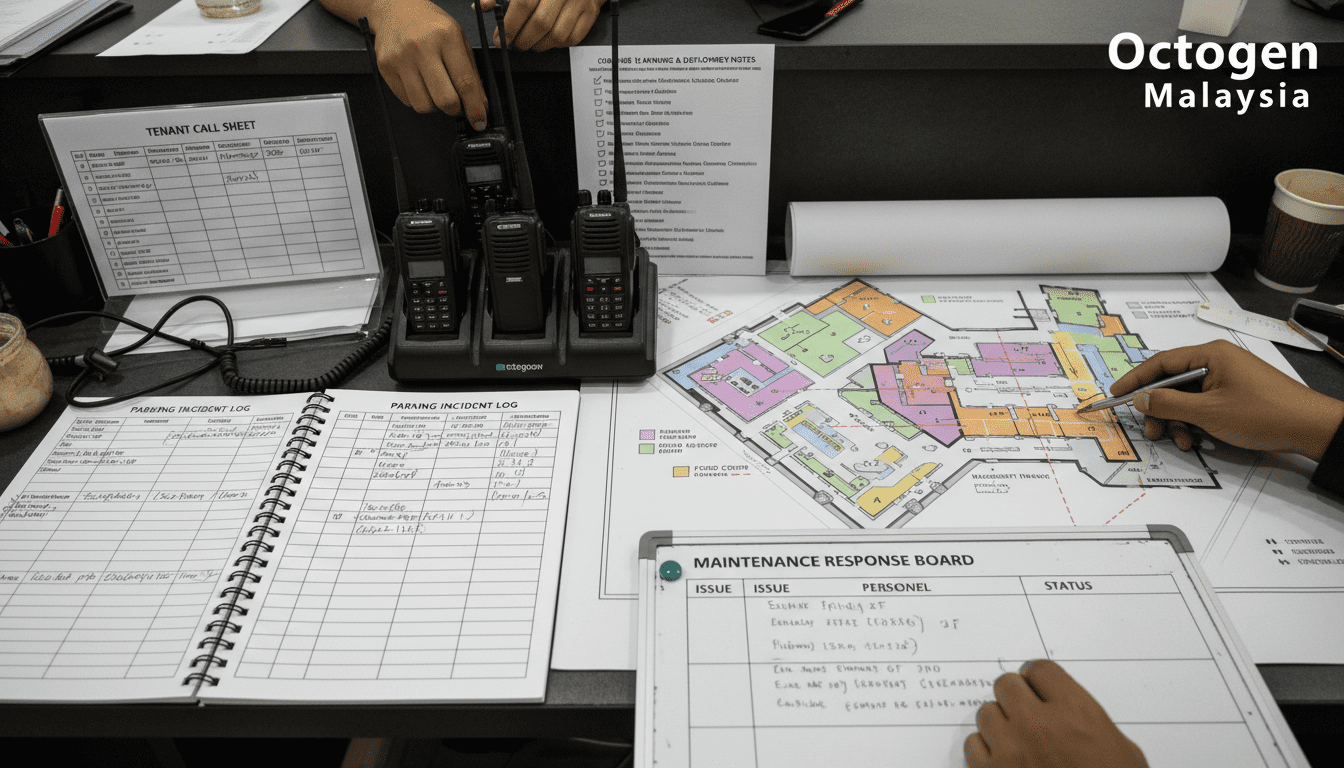
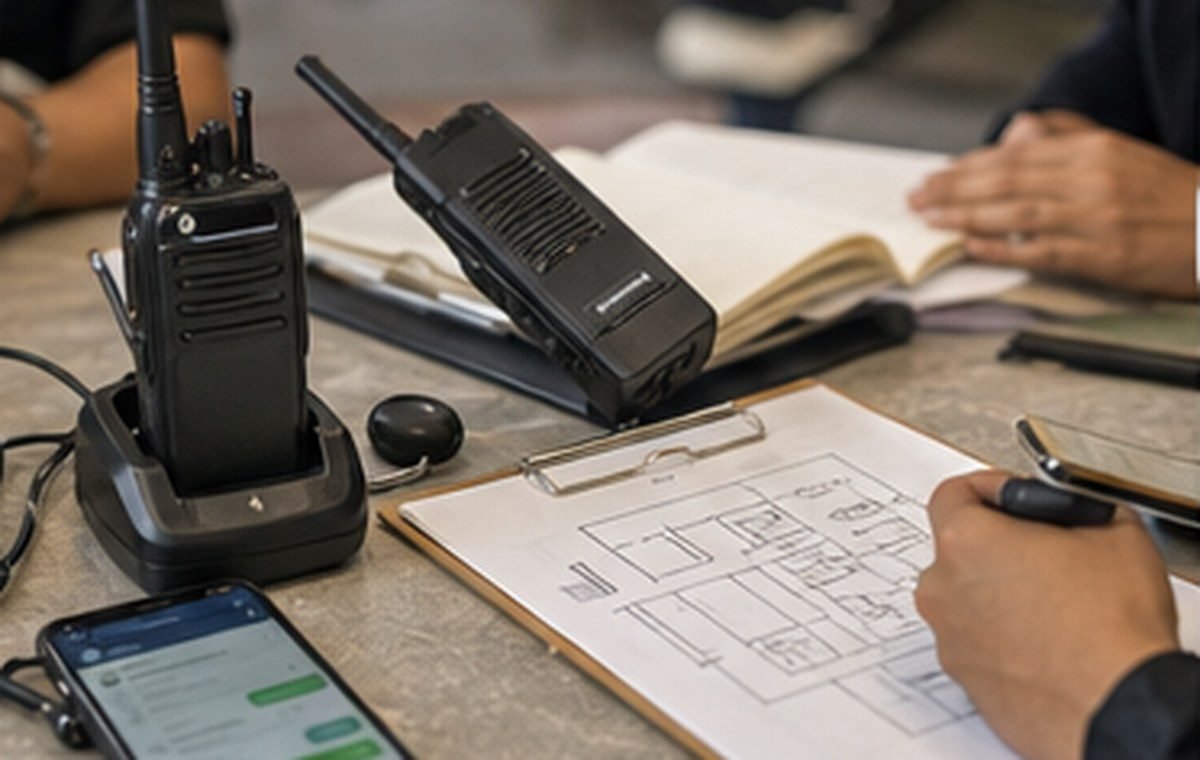
Start with the control point, not the handset catalogue. A mall supervisor needs to know which team owns each type of call, where the team should respond, and how fast the first acknowledgement should happen.
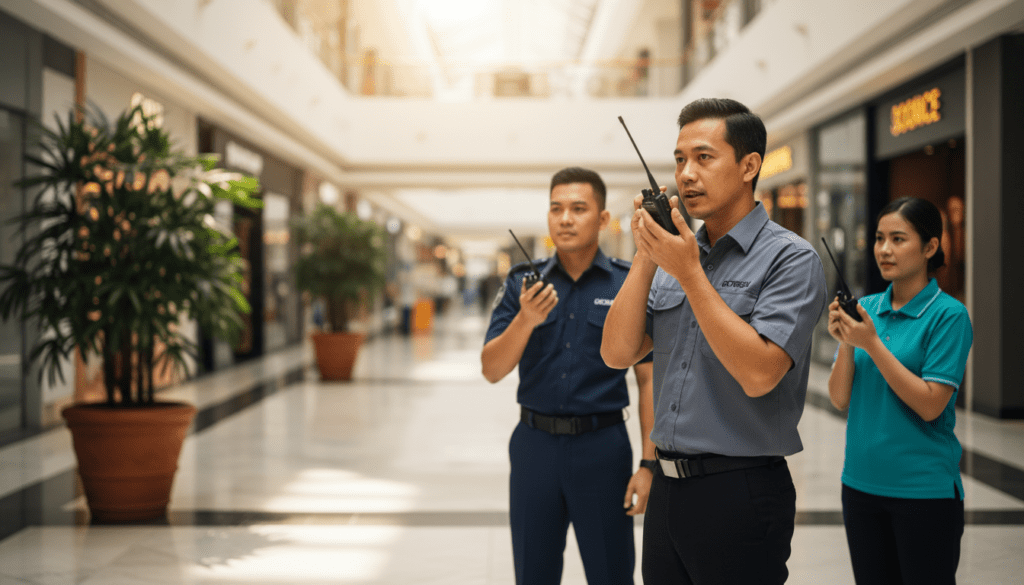
For Malaysian malls, Octogen usually plans around security, tenant support, parking, housekeeping, maintenance and management escalation. Smaller malls can combine some channels, but the operating rules still need to be written down.
The practical test is simple: if a tenant reports a burst pipe, a blocked loading bay or an aggressive visitor, staff should know the call sign, channel and next update time without asking in a WhatsApp group.
- Give each duty team a role-based call sign, not a personal-name shortcut.
- Keep emergency escalation separate from routine tenant support.
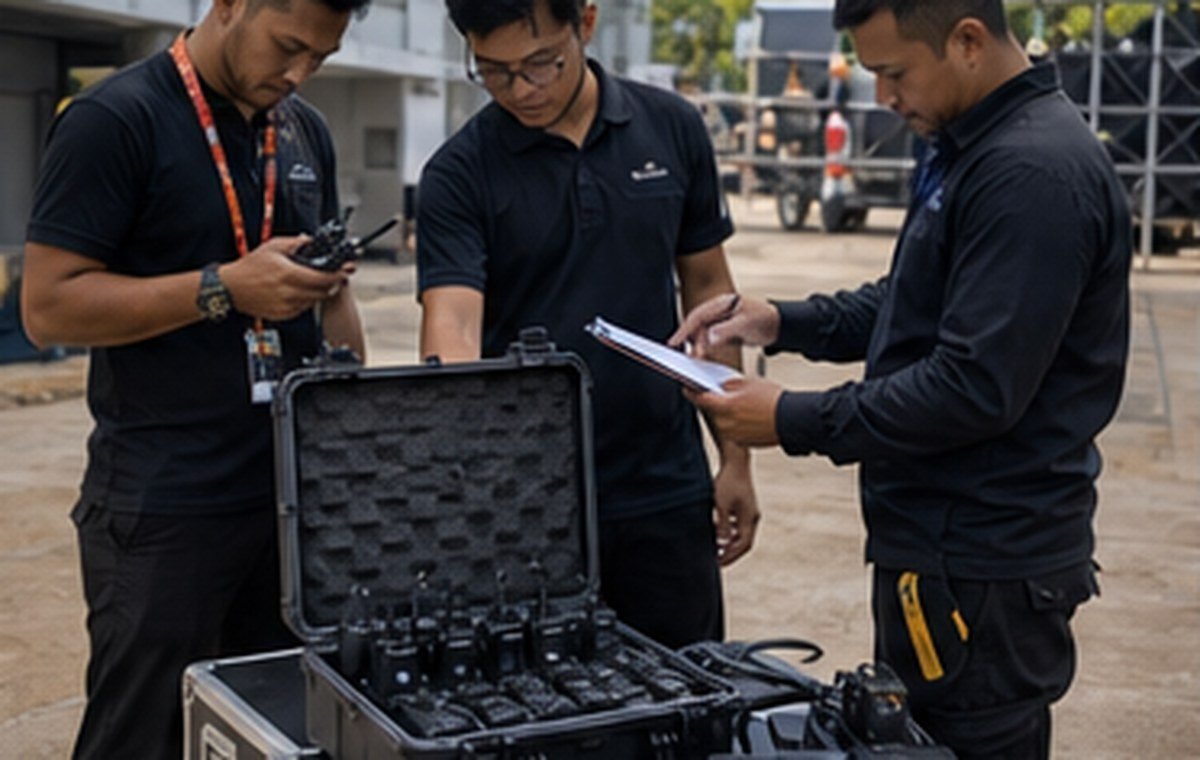
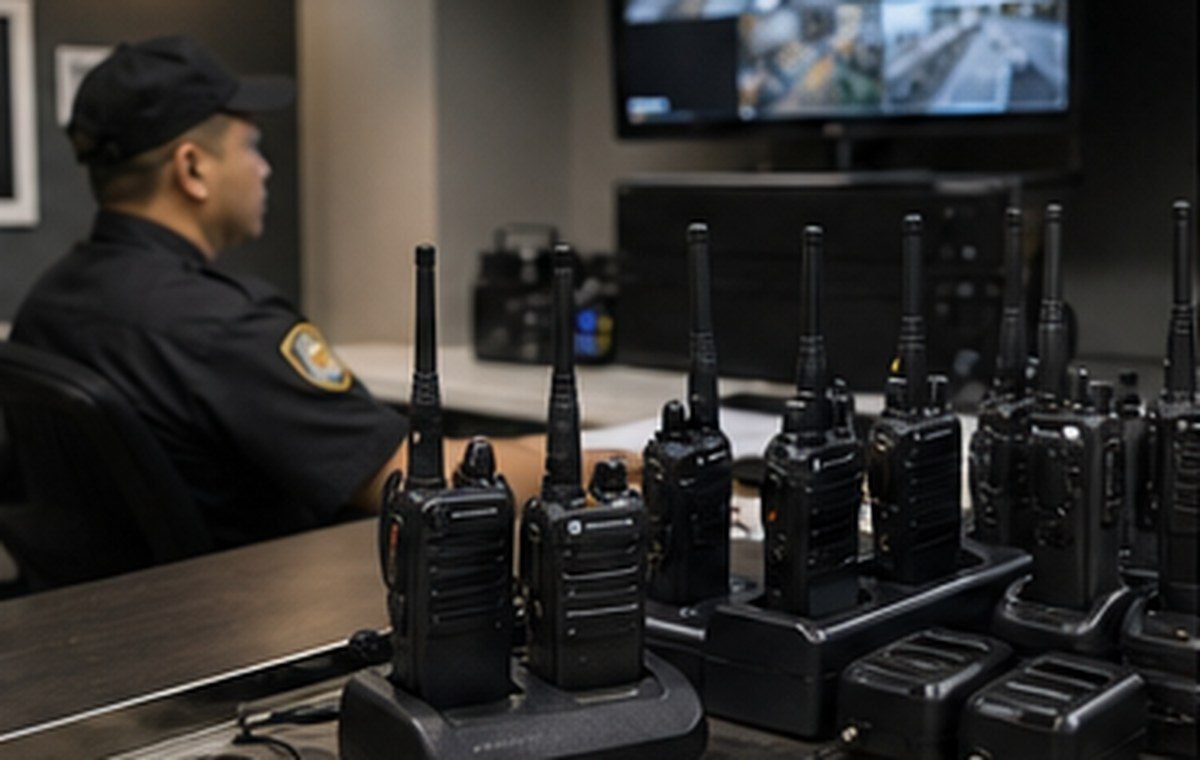
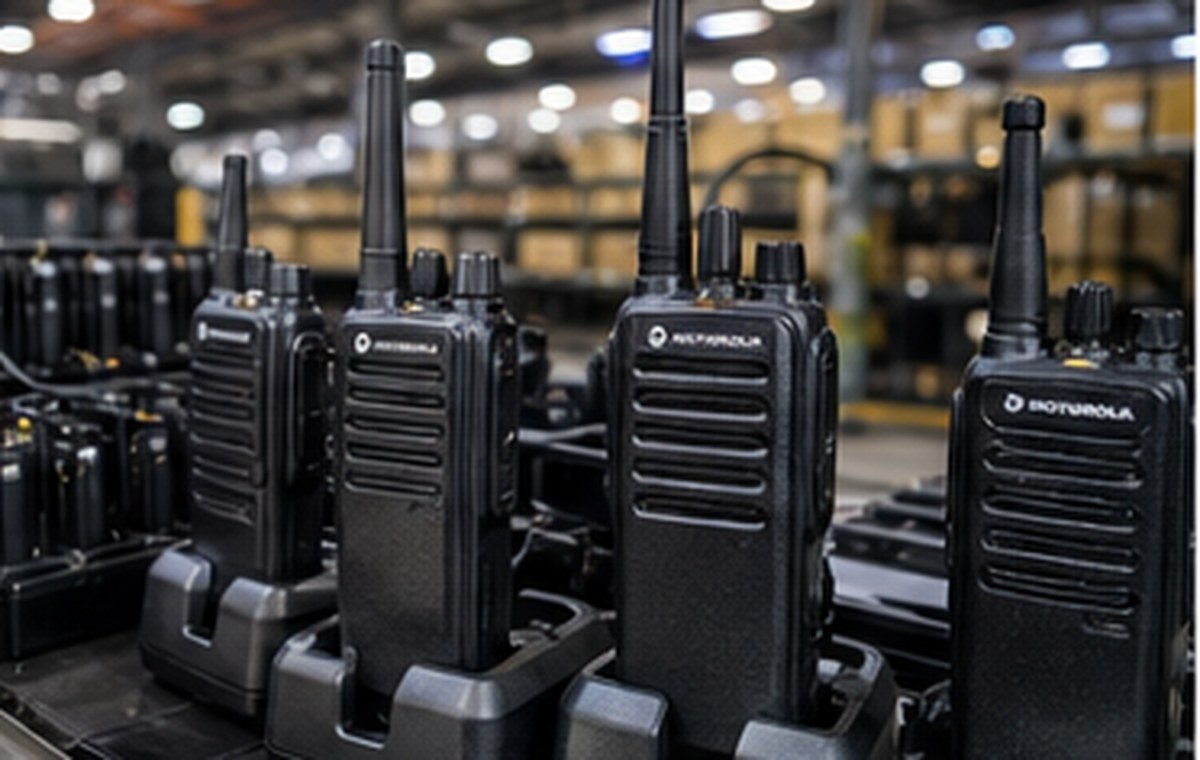
- Place spare radios and batteries at the management office or control room.
- Run a real walk-test from concourse to parking, loading bay and plant-room areas.
How tenant support calls should move
Tenant calls become messy when every issue goes to the same open channel. A blocked entrance, air-conditioning complaint, power trip and suspicious person need different responders, even if the tenant only calls one management desk.
Use a clear phrase such as Tenant Support to Security, Tenant Support to Maintenance, or Management to Housekeeping. The first reply should confirm who is going, where they are going and when they will update.
Octogen can help set channel labels and printed call cards so relief staff follow the same handover language during weekends, public holidays and seasonal campaigns.
| Mall situation | First radio path | Close-out rule |
|---|---|---|
| Tenant reports shopfront dispute | Tenant Support to Security | Security confirms arrival and manager update. |
| Water spill near escalator | Tenant Support to Housekeeping | Housekeeping confirms barrier placed and floor cleared. |
| Air-conditioning complaint | Tenant Support to Maintenance | Maintenance confirms inspection or escalation. |
| Loading bay access conflict | Tenant Support to Loading Bay / Security | Control records vehicle or contractor status. |
Parking and loading bay incidents need separate radio discipline
A mall may have strong radio coverage on the concourse but weak coverage in basement parking, back corridors, lift lobbies and loading bay areas. These are exactly the zones where staff need quick contact for blocked vehicles, contractor access or customer assistance.
The parking team should not have to compete with housekeeping chatter during peak traffic. Assign a parking channel or a clear parking call procedure, then test it from the ticket office, ramp, basement corners and security point.
For loading bay movement, radio discipline matters because contractors, delivery vehicles and security checks happen quickly. Short calls prevent confusion: vehicle location, gate number, person assigned and next update.
- Test basement coverage with shutters closed and normal vehicle movement.
- Keep loading bay calls short enough for guards to repeat accurately.
- Avoid broadcasting tenant-sensitive or customer-sensitive details openly.
- Record weak zones before deciding whether a repeater or revised patrol route is needed.
Housekeeping and maintenance response should not depend on phone calls
Spills, broken lights, toilet complaints, lift issues and minor repairs are not always emergencies, but they affect customer experience fast. A radio call lets the control desk assign someone while the reporter remains at the scene.
The channel plan should define which issues go to housekeeping and which go to maintenance. This avoids the common habit of broadcasting vague messages such as anyone nearby, please check.
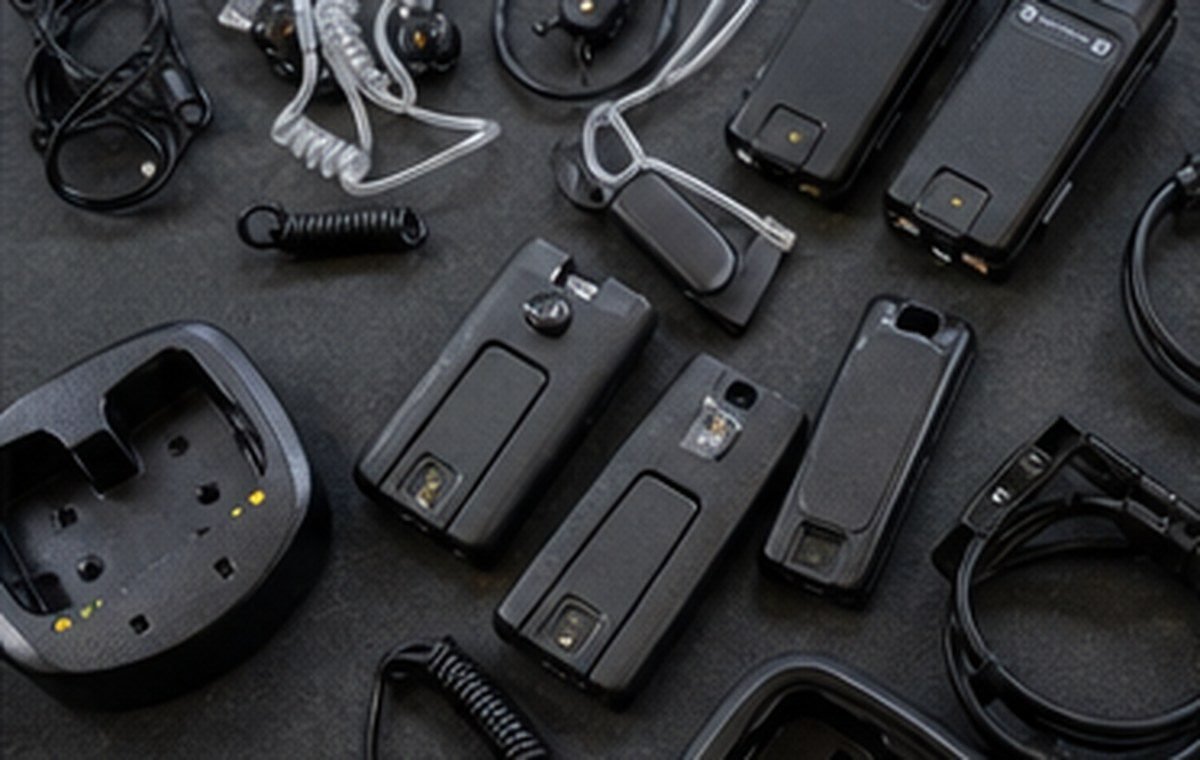
Use accessories that match the job. Housekeeping may need comfortable earpieces or speaker microphones; maintenance may need durable clips, clear audio and chargers placed near the workshop or management office.
- Use location names that match real mall signage and floor maps.
- Confirm arrival before closing the call.
- Keep one spare radio available for outsourced cleaners or temporary event staff.
- Review the first week of radio traffic to remove repeated confusion.
Closing patrol and management escalation
Closing patrol is where loose channel planning shows. Guards may need to confirm tenant shutters, parking levels, cleaners, lost items, late contractors and management instructions in a short window.
Octogen recommends a closing sequence with named zones and clear acknowledgements. The supervisor should hear which zone is complete, which issue remains open and whether any tenant or contractor needs follow-up.
For larger malls, management escalation may need its own channel or rule. The goal is not more channels for their own sake; it is to keep urgent decisions audible when routine close-out traffic increases.
- Use a closing checklist tied to radio call signs.
- Confirm each floor, parking level and loading bay before final handover.
- Keep emergency escalation words short and consistent.
- Charge every returned unit before the next opening shift.
Real Deployment Notes
A printed mall operations channel card helps relief staff use the same call signs and escalation words as the main team.
After one week, ask which calls were missed, which zones were weak and which channel had too much chatter. Adjust the channel plan before bad habits become normal.
Do not broadcast personal, medical, student, tenant or customer-sensitive details over an open channel. Use the radio to move the right person to the right place.
Common Customer Questions
How many walkie talkies does a mall management team need?
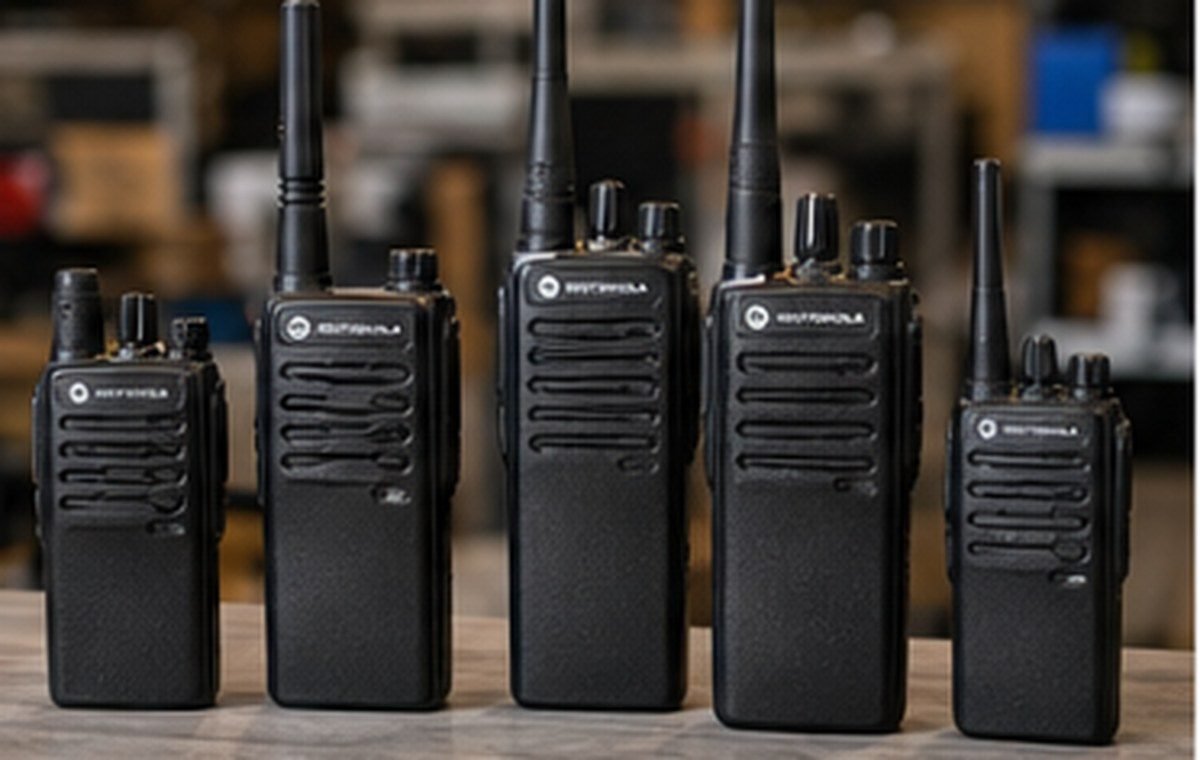
Start with one radio per active duty role: security supervisor, guards, tenant support, parking, housekeeping, maintenance and management backup. Add 10 to 20 percent spare units for shift handover, lost batteries and temporary events.
Should tenant support and security use the same channel?
Small malls can combine them if traffic is light, but busy malls should separate tenant support from security response. This keeps routine tenant requests from masking urgent patrol or incident calls.
Will walkie talkies work in basement parking?
They may work, but basement parking must be tested on-site. Concrete, ramps, lift cores and parked vehicles can weaken coverage. Octogen should walk-test the basement before confirming the final radio count or repeater need.
What channel should loading bay teams use?
Loading bay traffic can share with security in small sites, but larger malls should give it a clear call procedure or separate channel. Vehicle movement, contractor checks and blocked access need fast, short radio calls.
Do mall staff need earpieces or speaker microphones?
Security and management teams often benefit from discreet earpieces, while maintenance, parking and loading bay teams may prefer speaker microphones. The accessory should match movement, noise and public-facing duties.
Is rental or purchase better for mall radios?
Purchase usually fits permanent mall operations. Rental is useful for seasonal campaigns, temporary events, renovation zones or trials before a larger fleet decision.
Do mall walkie talkies need MCMC-compliant planning?
Yes. Malaysian business radio deployments should use approved equipment and legal frequency planning. Octogen can advise whether rental, licensed channels or another compliant setup fits the property.
What should we send Octogen before asking for a quote?
Send the mall layout, number of floors, parking levels, loading bay location, staff roles, shift length, weak coverage areas and whether the radios are for permanent use, events or a trial.
Ask Octogen About Your Site Coverage
Send Octogen your site layout, user count, shift pattern and tenant support concerns. The team can recommend a practical radio count, channel plan, accessories and coverage test for Malaysian operations.