

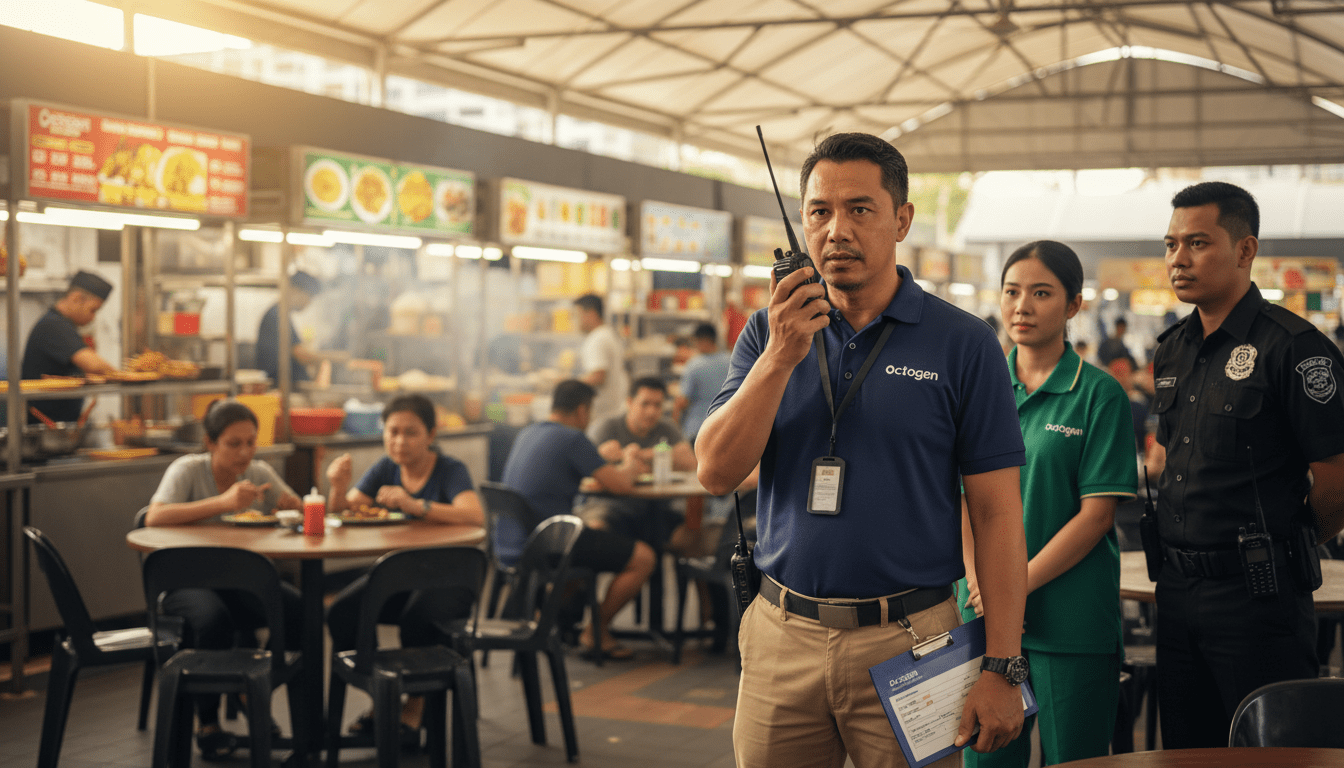
Walkie Talkie for Food Court Malaysia: Operations Guide
Plan Malaysian food court operations walkie talkies for Supervisor, Cleaning, Tenant, Security, Maintenance and emergency response.
Walkie Talkie for Food Court Malaysia: Operations Guide starts with clear zones, short call signs and a channel plan staff can follow under pressure.
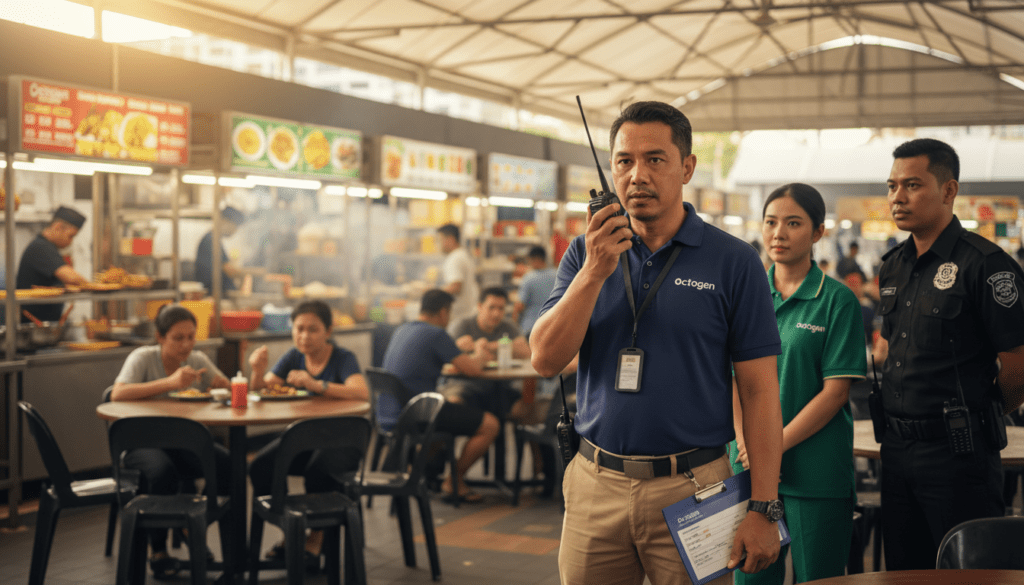
Octogen recommends planning radios around real locations, not just user count. For Malaysian food court with tenant stalls, cashier counter, dining area, washroom corridor, waste room, loading entrance and security point, the radio setup should help supervisors reach the right person in seconds without moving sensitive details onto open channels.
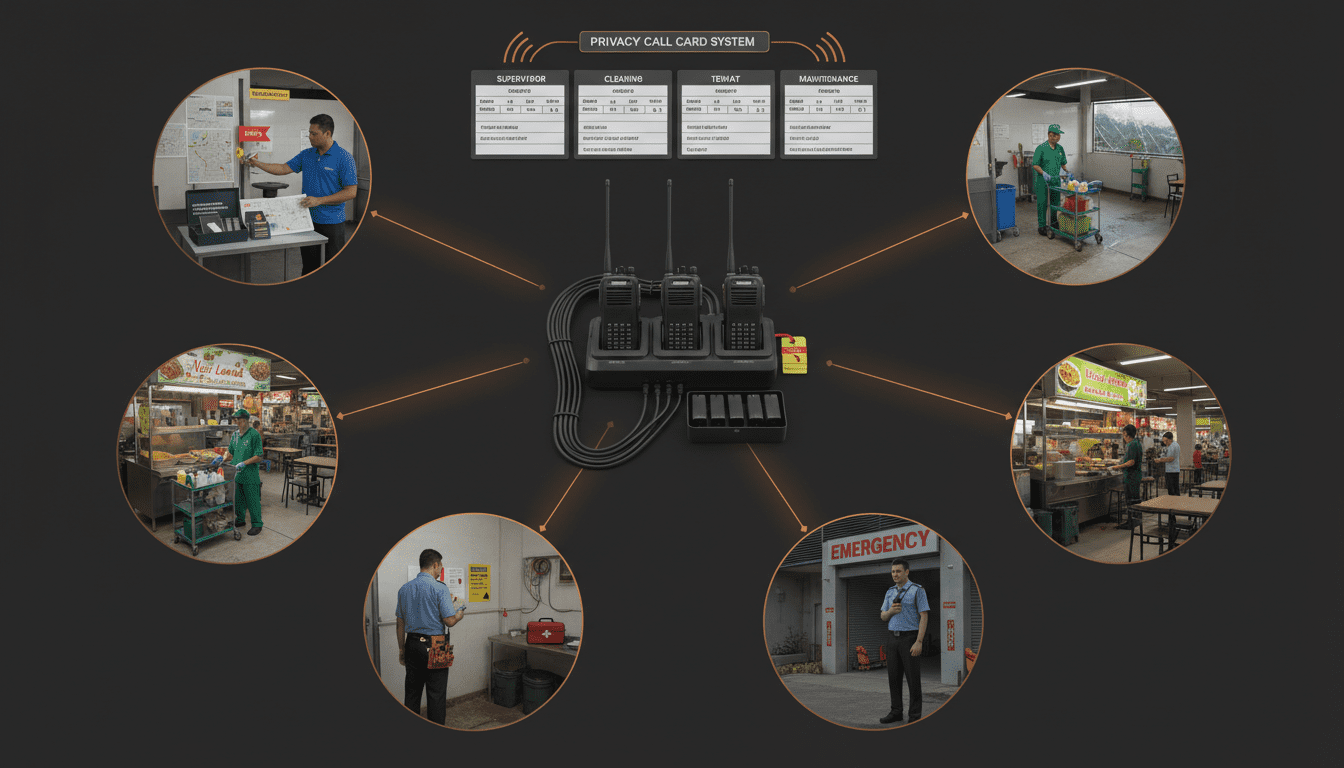
privacy call card system
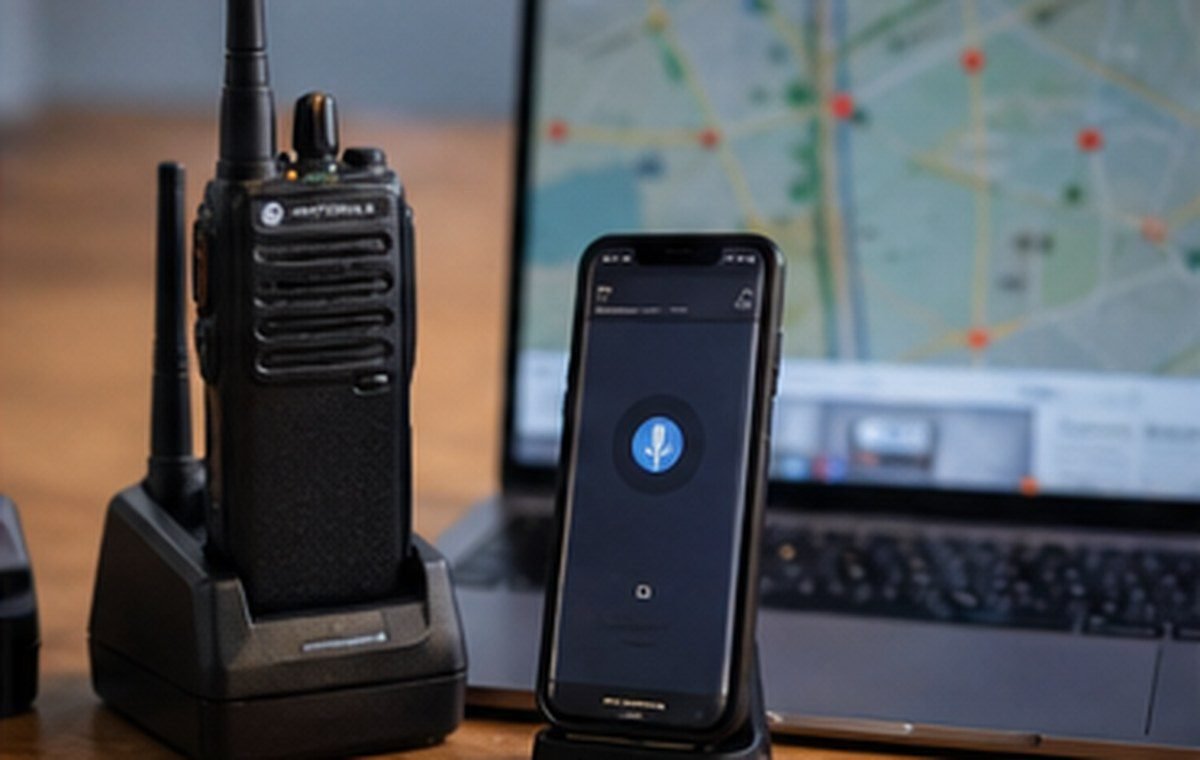
One control point routes daily traffic, support requests and emergency escalation through a different visual model from the atlas image.
Channel roles
Use the radio memory as named lanes, not as decorative channel count.
Give new users a card they can follow in ten seconds
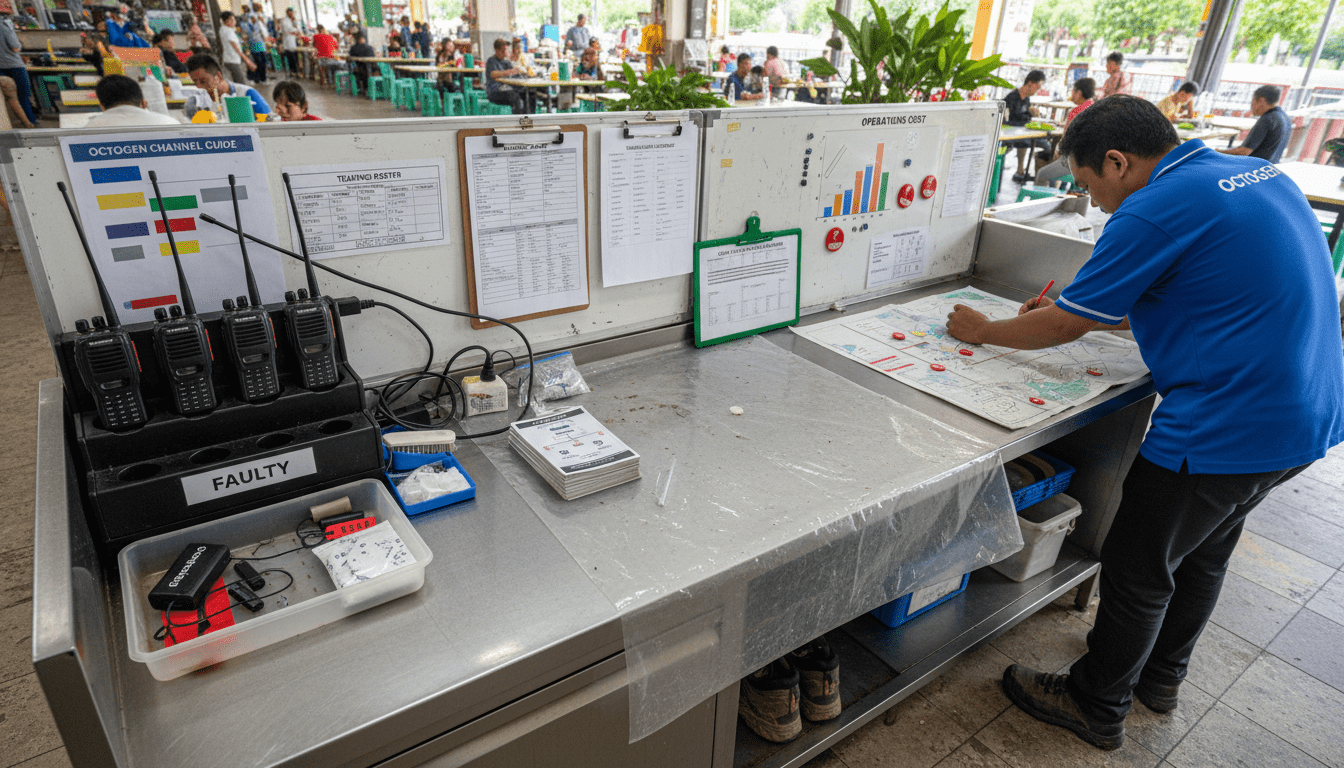
The best food court operations plan is the one a new or relief staff member can use without a long briefing. A simple card prevents invented call signs and unclear radio habits.
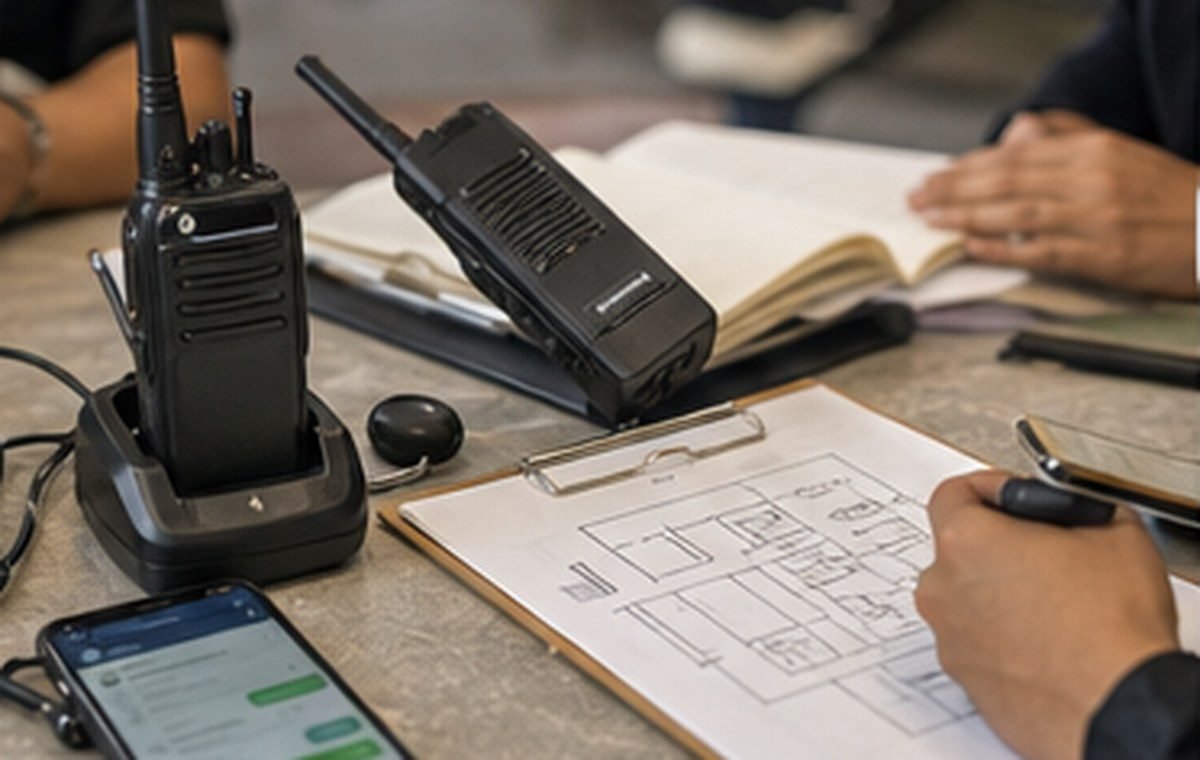
Print the main channels, call signs, radio check phrase, escalation words and charger return rule. Keep the card near the radio handout point and inside the supervisor file.
This matters when teams rotate, contractors join temporarily, or seasonal activity increases the number of people using radios.
- Keep the card short enough to read during handover.
- Use the exact zone names staff see on site.
- Include one radio-check phrase and one escalation phrase.
- Update the card after the first week of real use.
Plan for heat, rain, dust and rough handling
Malaysian operating conditions can change radio performance and durability. Heat, rain, dust, sweat, drops and storage habits affect whether radios stay reliable after the first few weeks.
For Malaysian food court with tenant stalls, cashier counter, dining area, washroom corridor, waste room, loading entrance and security point, check where radios are carried, where they are stored during rain, and whether users need waterproofing, stronger clips or a cleaning routine.
The goal is not to overbuy rugged equipment. The goal is to match the environment so the fleet remains trusted during normal work.
| Search intent | Operational answer | Evidence to capture |
|---|---|---|
| Coverage | tenant stalls and dining area must be tested directly. | Marked walk-test point and pass/fail note. |
| Channels | Supervisor and Cleaning need clear ownership. | Printed channel card and first-response owner. |
| Readiness | Batteries, chargers and spares must be visible before shift handover. | Returned-radio count and fault-tag area. |
| Escalation | Urgent calls need a different lane from routine updates. | Escalation phrase and close-out note. |
Compare the cost of silence, not only radio price
A cheap radio setup can become expensive if missed calls slow response, increase overtime, cause repeated complaints or make supervisors rely on phone calls again.
For food court operations, compare purchase or rental against the operating risk: weak zones, battery failures, unclear ownership, accessory replacement and support needs.
The practical budget question is whether the team can reach the right person at the moment work is happening. If not, the lowest handset price is not the lowest operating cost.
- Include chargers, batteries and accessories in the real cost.
- Account for spare units during shift overlap.
- Compare service support, programming and replacement speed.
- Pilot the setup before scaling the fleet.
Treat the charger station as part of the communication system
Many radio complaints start at the charger station, not the radio model. A team may have enough handsets but still lose communication when batteries, contacts and spare units are unmanaged.
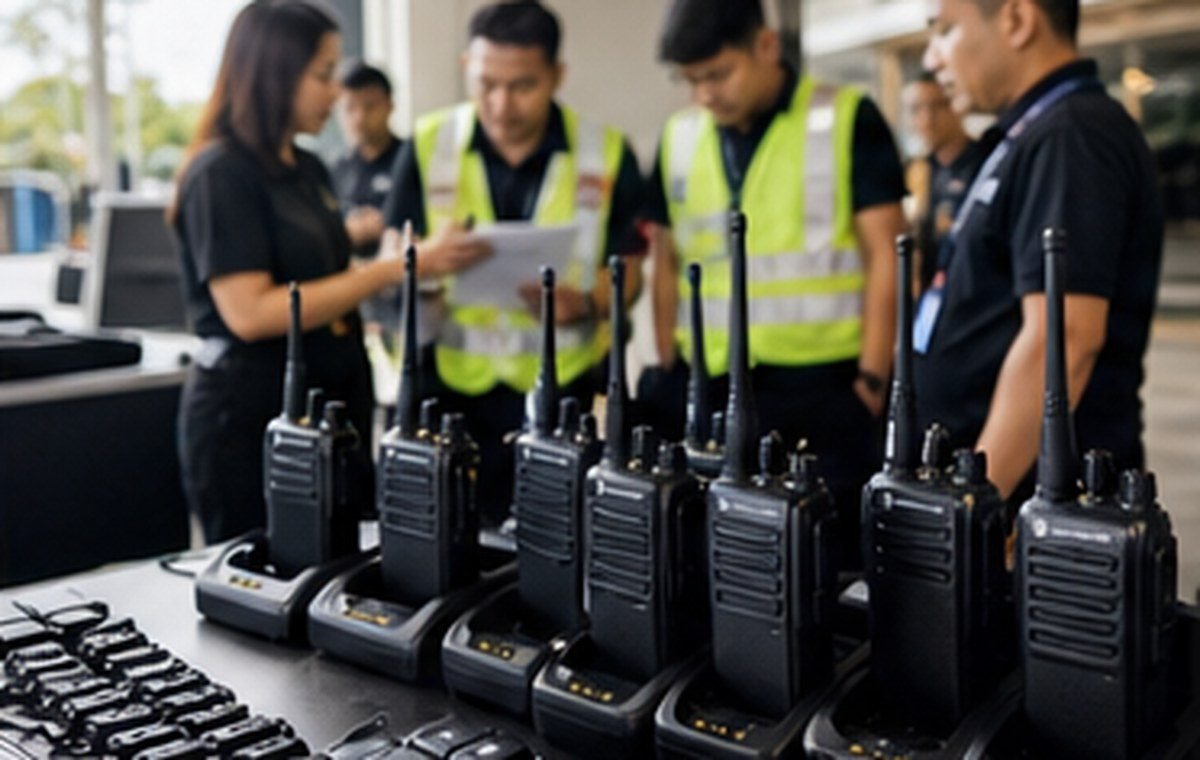
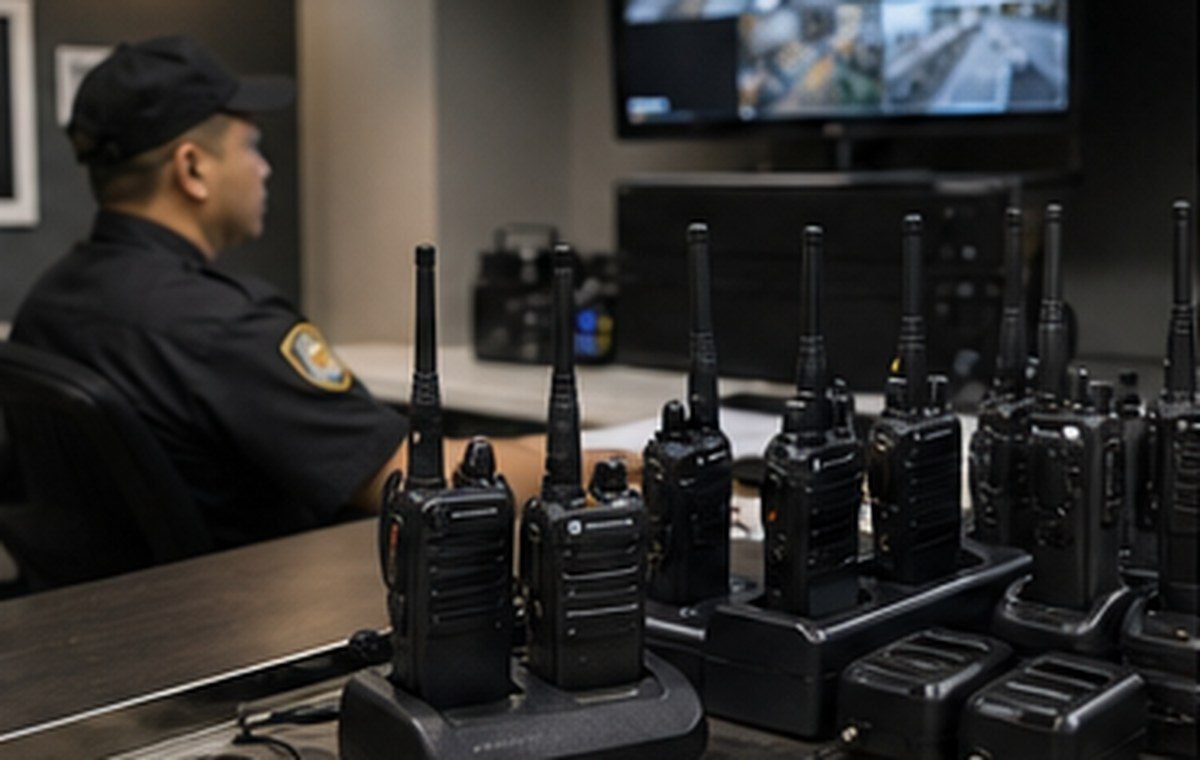
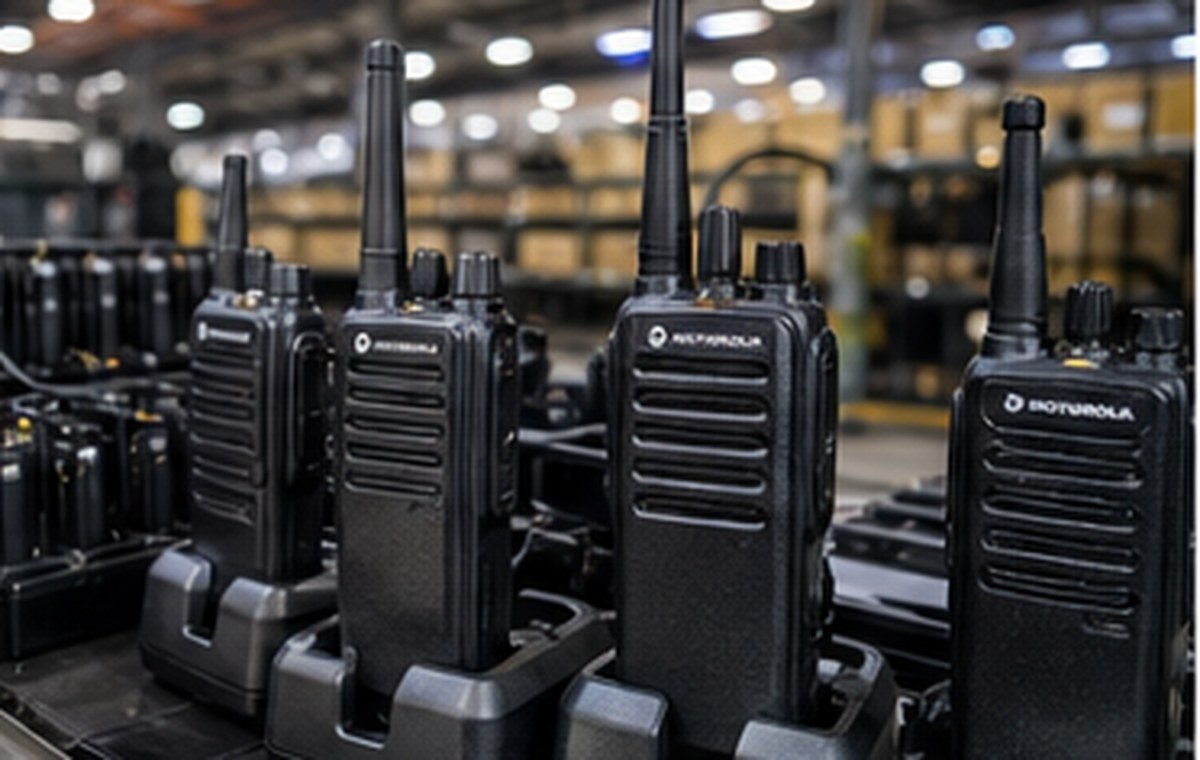
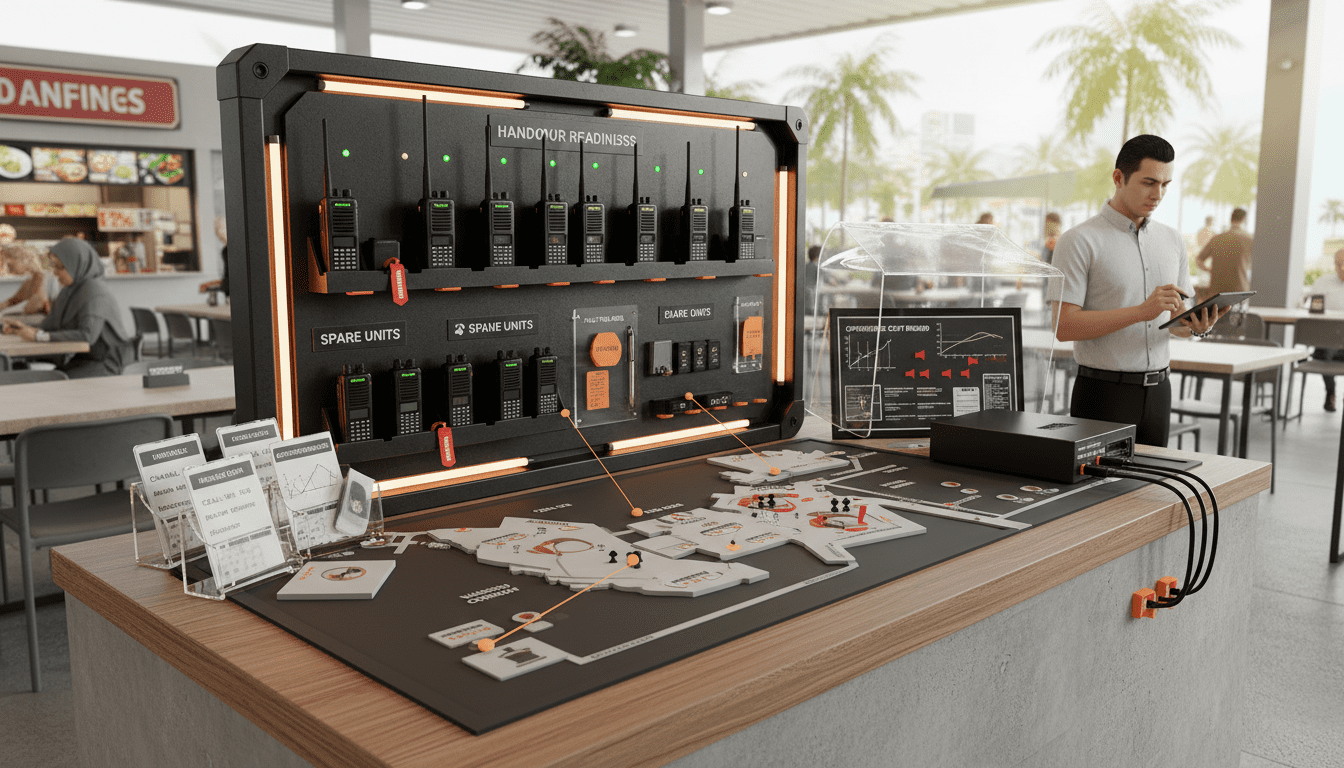
For food court operations, place chargers where supervisors can see returned radios and where staff naturally pass during shift change. A hidden charger room creates blind spots in readiness.
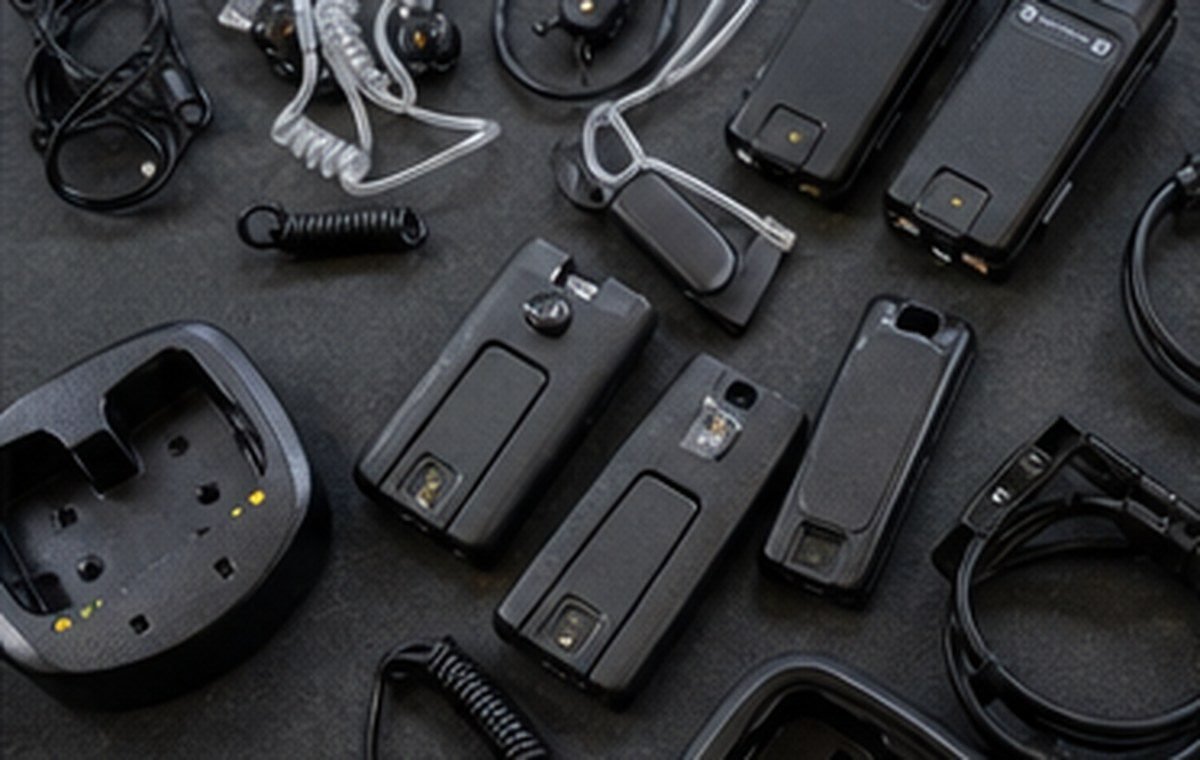
The charger station should show which radios are ready, charging, missing, wet, damaged or waiting for service. That visibility reduces repeated faults across shifts.
- Use a visible spare-unit rule for long shifts.
- Clean charging contacts when radios return from dusty or wet areas.
- Do not mix wet or damaged radios with ready units.
- Match charger count to real shift overlap, not only total fleet size.
Real Deployment Notes
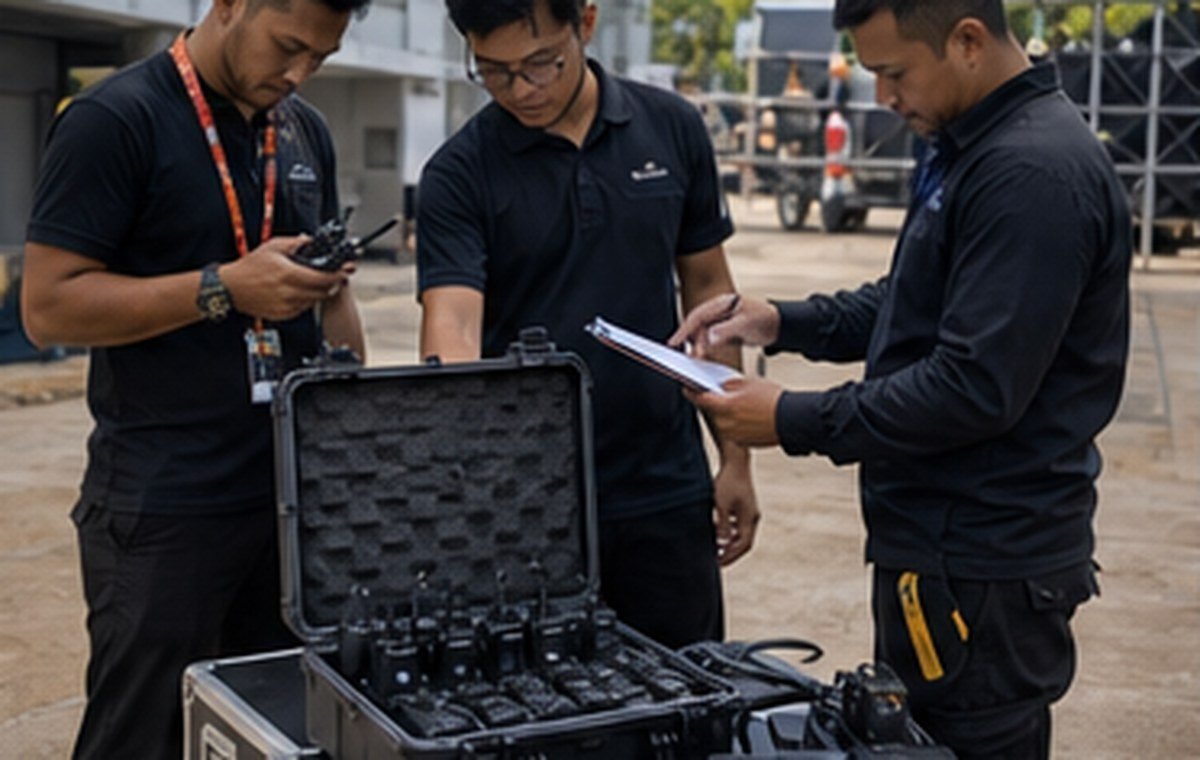
Food Court Operations planning should begin with proof from the real route, not a meeting-room estimate. Walk the most important locations in Malaysian food court with tenant stalls, cashier counter, dining area, washroom corridor, waste room, loading entrance and security point, then mark where audio is clear, delayed or unusable.
For food court operations, the useful evidence is a short coverage note: who tested, which radio was used, where the call started, where the reply was heard, and which zone needs retesting before rollout.
This prevents the common mistake of adding more handsets while the actual issue is a blocked route, a bad charger habit, a wrong antenna choice or a missing escalation point.
- Test tenant stalls and dining area during normal activity, not only when the site is quiet.
- Record each failed call with the exact location and user role.
- Retest after changing channel rules, accessories or patrol route.
- Keep the evidence simple enough for a supervisor to repeat next month.
Common Customer Questions
How many walkie talkies are needed for food court operations?
Most Malaysian sites should start with one radio per active duty role plus 10 to 20 percent spare units. For Malaysian food court with tenant stalls, cashier counter, dining area, washroom corridor, waste room, loading entrance and security point, count supervisors, security, support staff, facilities and emergency backup before deciding.
Should food court operations teams rent or buy radios?
Rental is better for temporary projects, events and trials. Purchase is better when the same team uses radios every day. Octogen can compare both after checking user count, shift length and coverage needs.
Do these radios need MCMC compliance in Malaysia?
Professional radio deployment in Malaysia should use legal, approved equipment and appropriate frequency planning. Octogen can advise whether rental, licensed channels or other compliant options fit the site.
Can walkie talkies cover indoor and outdoor areas together?
Often yes, but it must be tested. UHF radios usually suit indoor operations better, while larger outdoor or multi-building sites may need repeater support or a revised coverage plan.
What is the most common deployment mistake?
The most common mistake is buying radios before defining channels, call signs, charger location and dead zones. The result is a fleet that exists on paper but is not trusted during busy shifts.
What should we prepare before asking for a quote?
Prepare the site layout, user count, shift length, weak-signal zones, number of chargers, accessory needs and whether the radios are for rental, purchase or a trial.
Can Octogen test the radios before a full rollout?
Yes. A practical pilot or walk-test is usually the safest way to confirm coverage, channel rules and accessory fit before committing to a larger deployment.
Ask Octogen About Your Site Coverage
Send Octogen your site layout, user count, shift pattern and tenant stalls concerns. The team can recommend a practical radio count, channel plan, accessories and coverage test for Malaysian operations.