


Digital Walkie Talkie Malaysia: Business Upgrade Guide
Choose digital walkie talkies for Malaysian business teams that need clearer audio, group control, emergency features and a cleaner upgrade path.
Buy digital for control and growth, not just because the model looks newer.
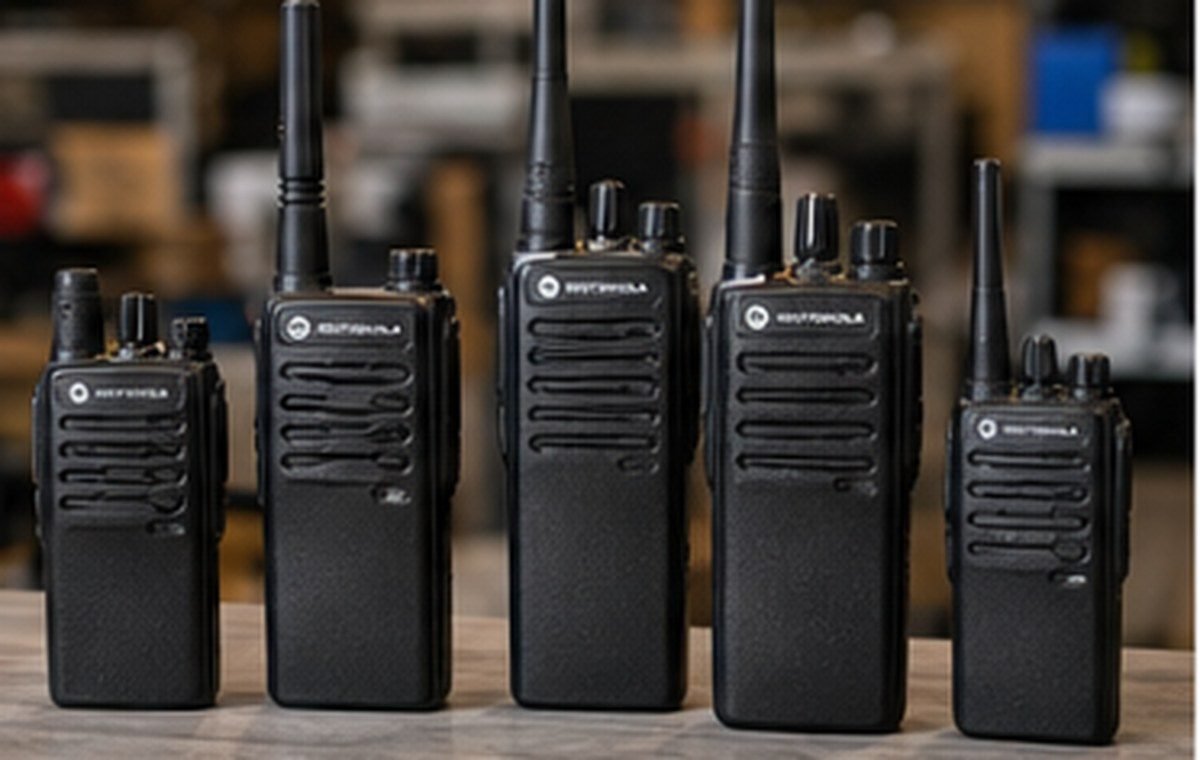
Digital walkie talkies help Malaysian teams when radio traffic is busy, supervisors need cleaner group control, and the fleet needs a future upgrade path. Octogen starts with real user roles, site coverage, accessories and support before recommending a digital model.
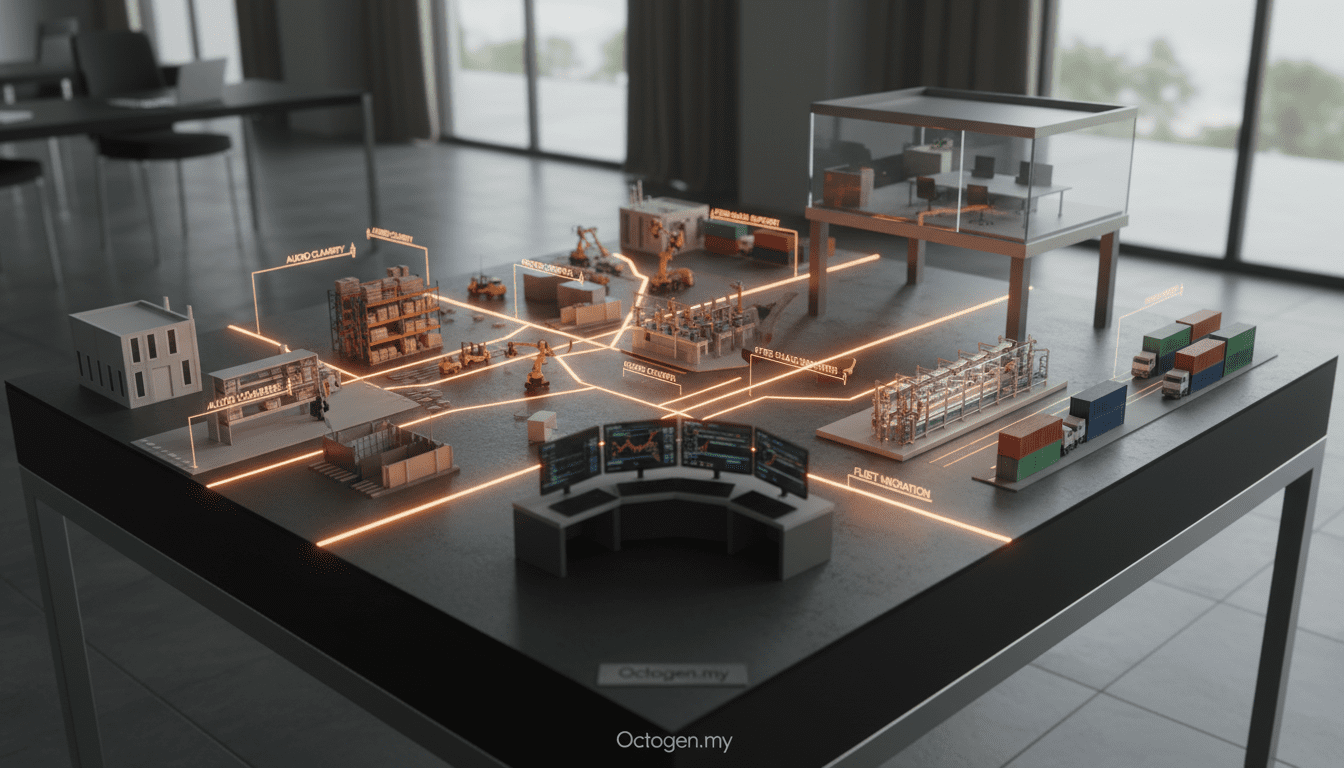
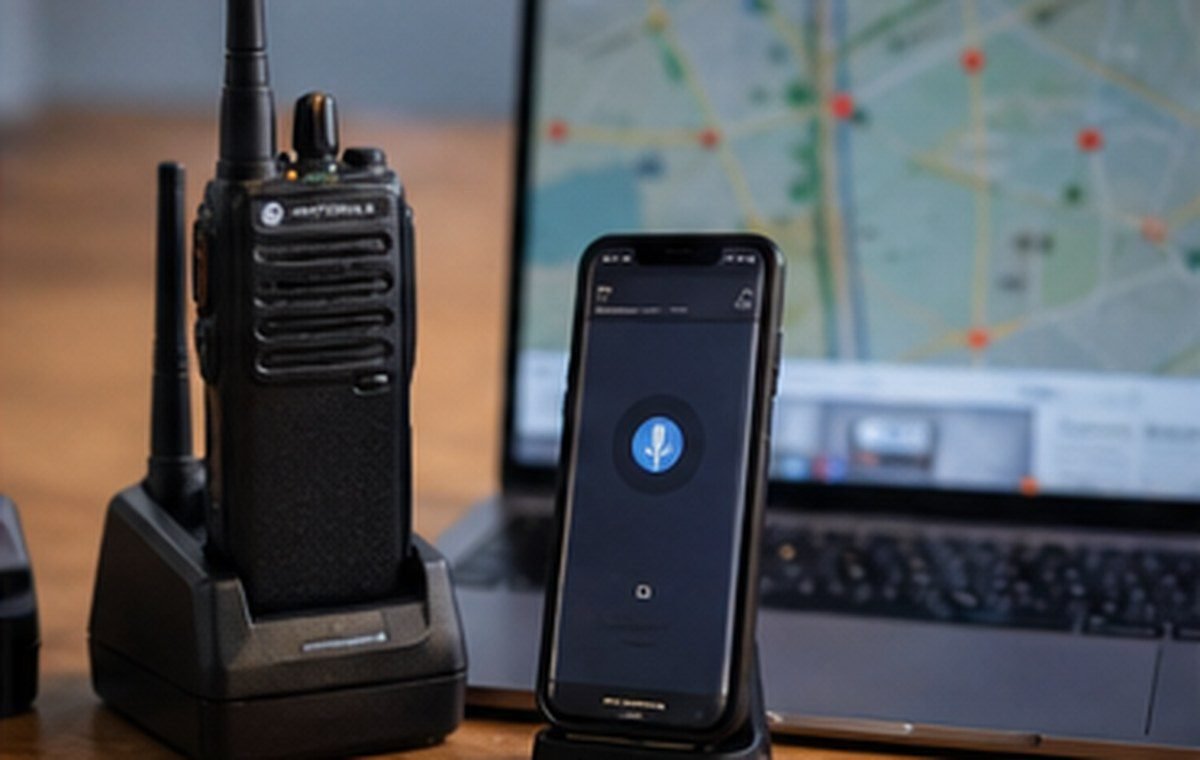
Generated call network
One control point routes daily traffic, support requests and emergency escalation without turning every user into one noisy group.
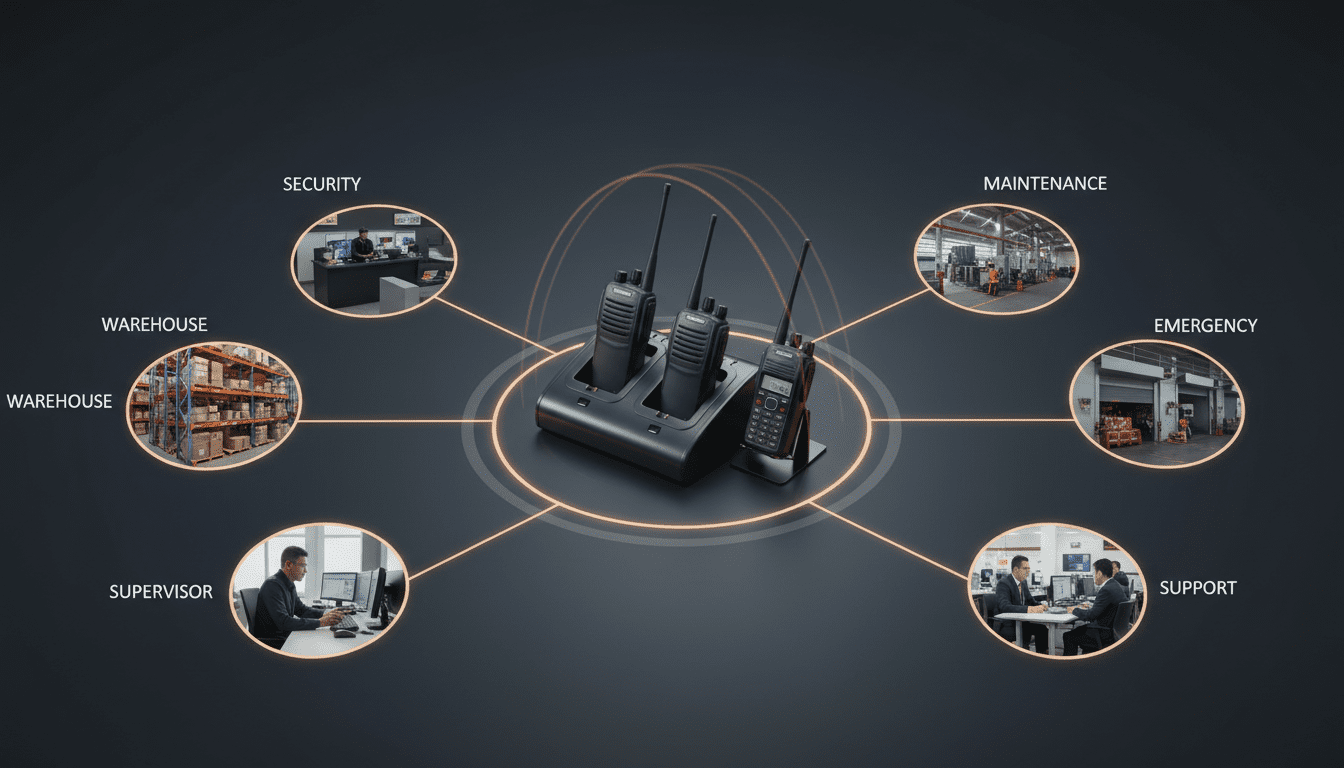
Channel roles
Use the radio memory as named lanes, not as decorative channel count.
What should a digital radio upgrade walkie talkie system cover?
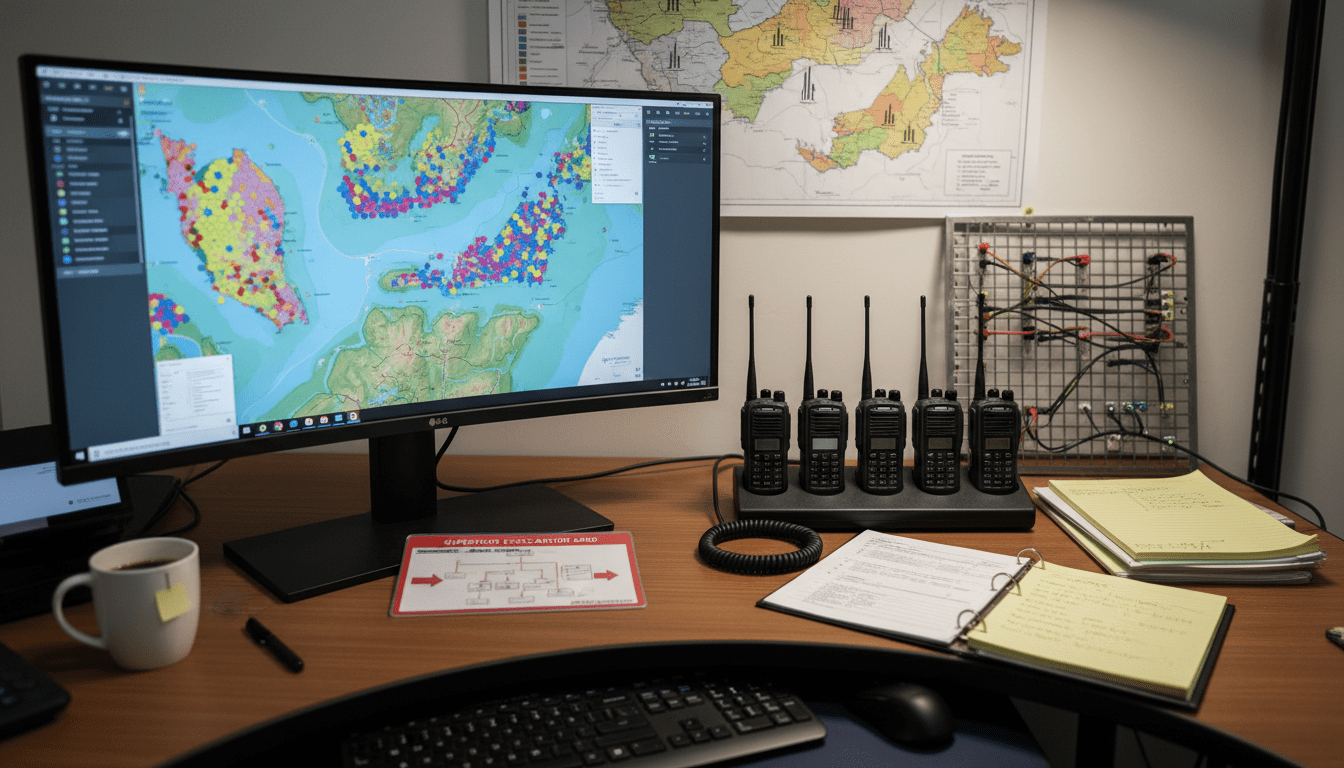
Start with the control point, not the handset catalogue. The supervisor needs to know which zone needs help, which role owns the call and whether the message belongs on routine traffic or emergency escalation.
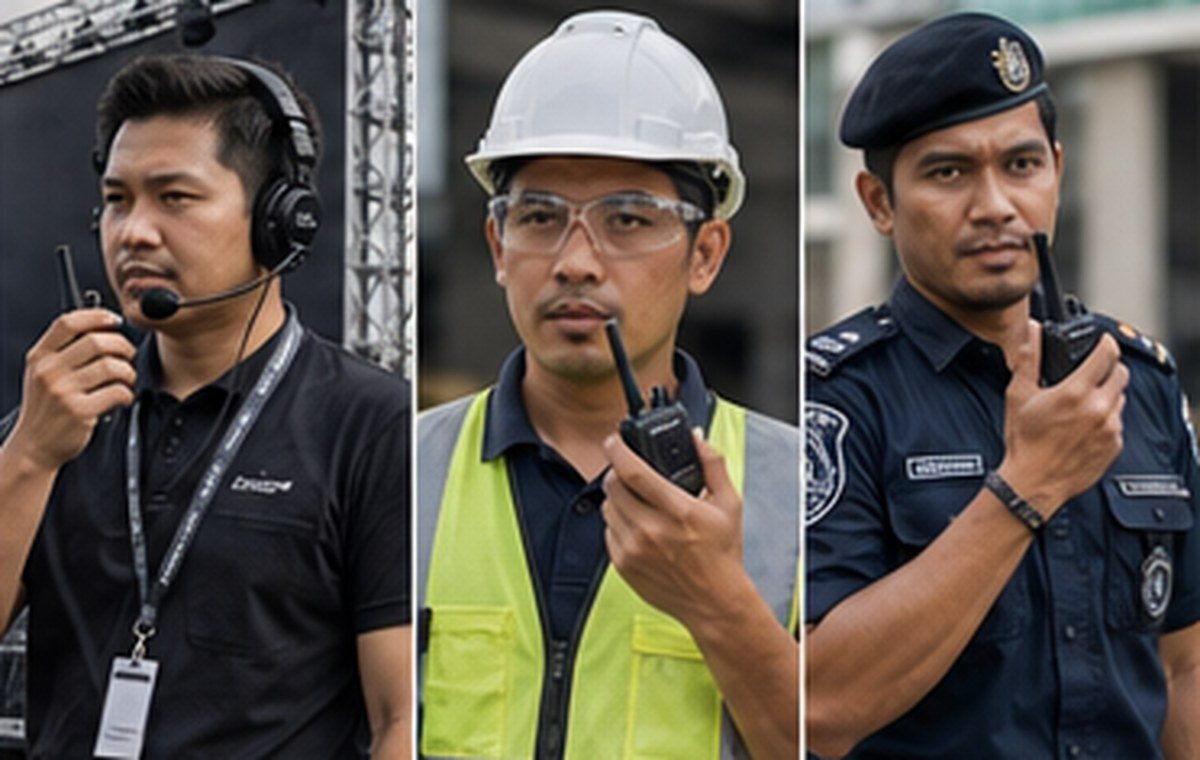
For Malaysian business operations floor with security control desk, warehouse aisle, production line, loading bay and supervisor office, Octogen usually maps audio clarity, group control, emergency features, fleet migration, after-sales support before recommending radio count, accessories or repeater support.
The practical rule is simple: role, zone and action needed. Long explanations should move to the correct operating process, not stay on the open radio channel.
- Use role-based call signs such as Security, Warehouse, Supervisor, Maintenance.
- Keep sensitive customer, visitor, patient, tenant or staff details off open radio where possible.
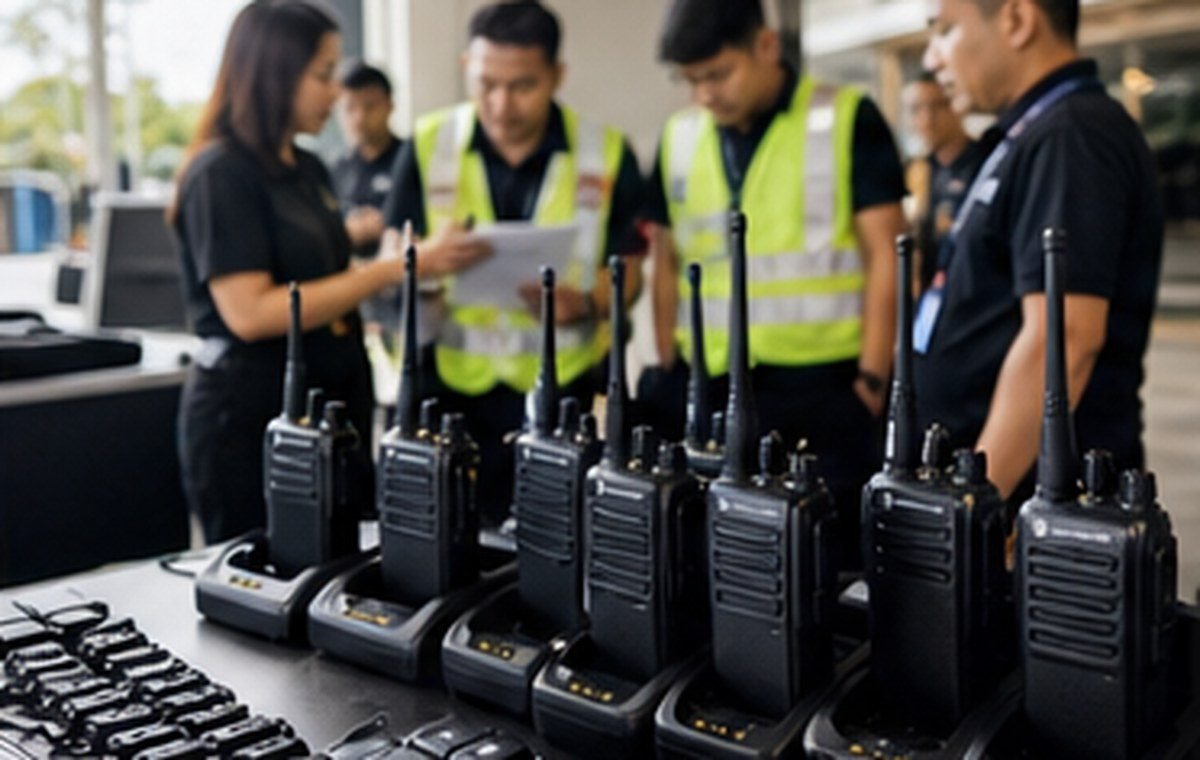
- Place chargers where day and night teams actually hand over.
- Test audio clarity, group control, emergency features and fleet migration before rollout.
Audio clarity calls need a short response script
A first call should identify the role, zone and action needed. The assigned team then confirms when they are moving and when the issue is closed.
Security and Warehouse traffic should stay short enough for relief staff to repeat accurately during weekends, public holidays and peak periods.
Octogen can help create printed channel cards so temporary or rotating staff use the same terms as the main team.
| Situation | First radio path | Close-out rule |
|---|---|---|
| Issue at audio clarity | Security to Warehouse | Confirm location, owner and next update time. |
| Support needed near group control | Warehouse to Supervisor | Use zone name, not long personal detail. |
| Delay at emergency features | Supervisor to Supervisor | Assign one responder and close the loop. |
| Escalation from fleet migration | Maintenance to Emergency | Move urgent traffic away from routine chatter. |
Emergency features and weak zones must be tested directly
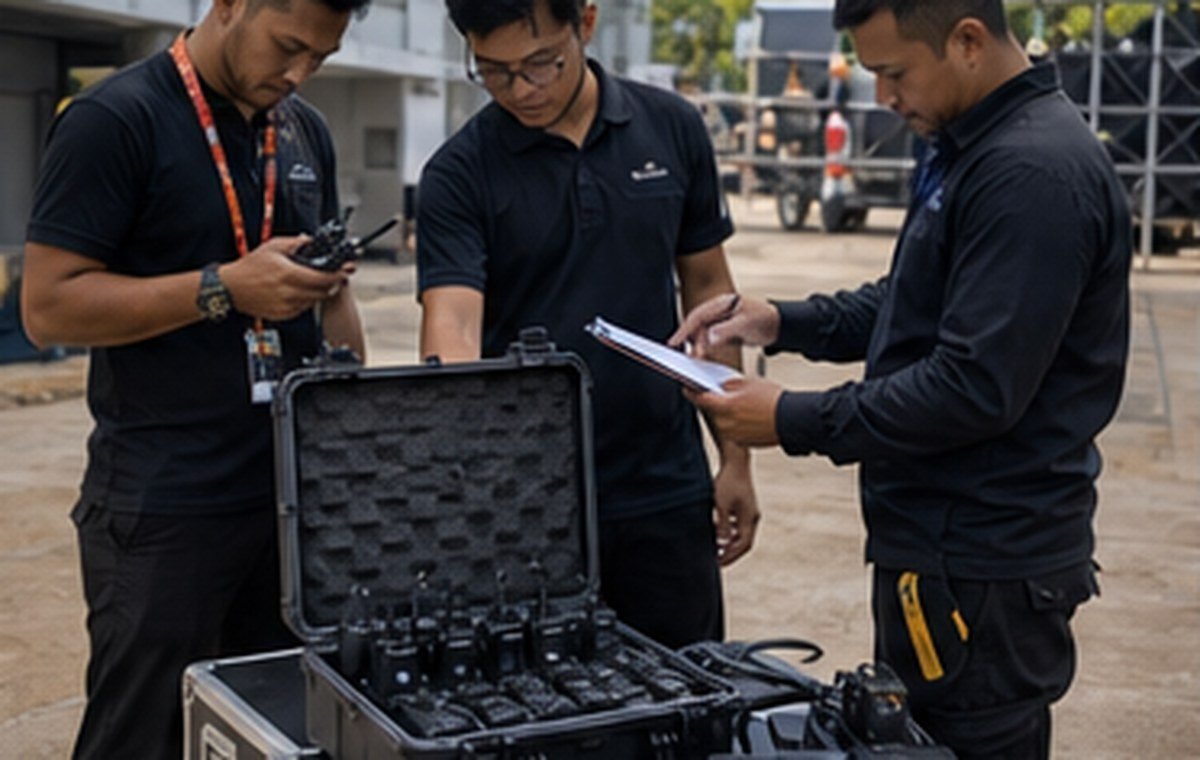
A radio that works at the control desk may be weak at emergency features, fleet migration or after-sales support. Concrete, metal fixtures, closed doors, crowds and service corridors can all change range.
Walk-tests should happen during normal operations, not only during quiet hours. The test should match real staff movement and normal site noise.
If one zone is weak, the answer may be different radio placement, a repeater recommendation, or a revised patrol or response procedure.
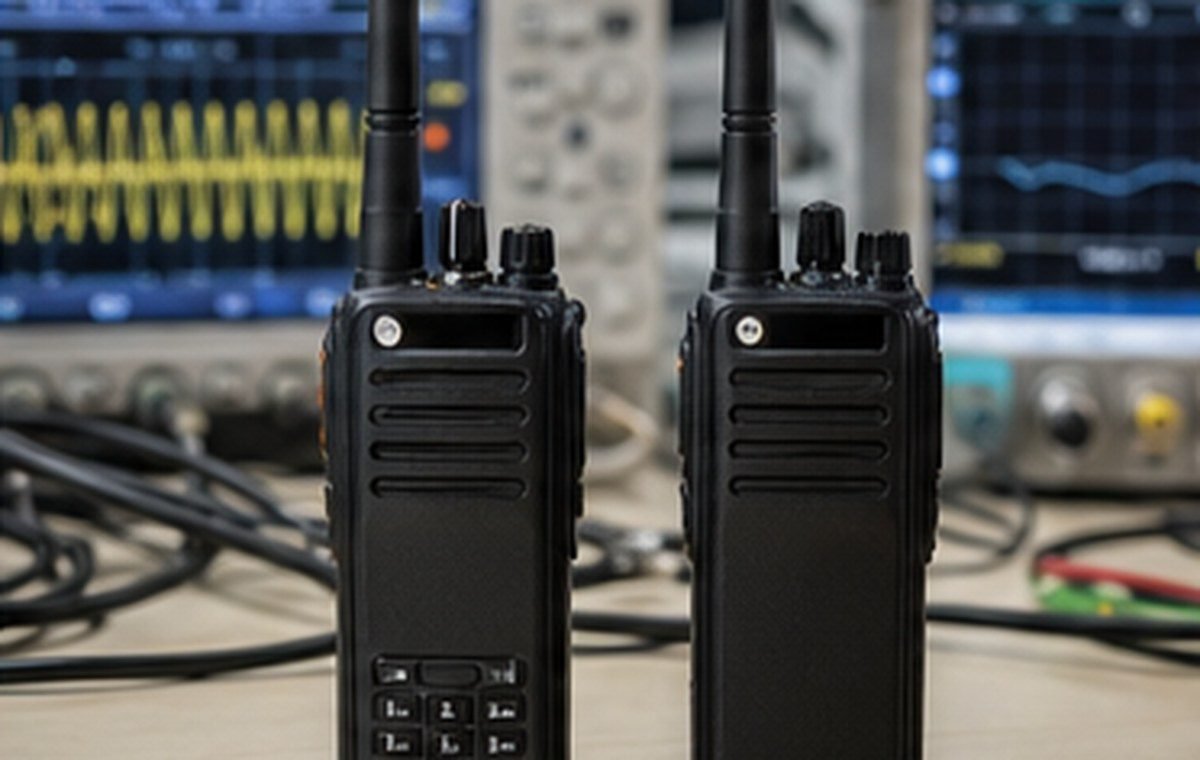
- Test audio clarity, group control, emergency features, fleet migration, after-sales support.
- Use zone names that match real signage and floor maps.
- Record repeated weak spots during the first operating week.
- Keep emergency words distinct from routine updates.
Supervisor and Maintenance teams need separate response lanes
Supervisor and Maintenance calls may happen at the same time but need different responders. If they share one vague support channel, urgent tasks can get buried.
Use clear categories that match the radio channel labels. The label should tell staff where the message belongs before the first call is made.
For larger sites or multi-zone operations, each operating area should have a simple name that relief staff can repeat accurately.
- Separate routine support chatter from emergency escalation where possible.
- Confirm arrival and close-out to the control point.
- Keep spare radios for temporary crews or contractors.
- Review repeated confusing calls with supervisors weekly.
Shift handover needs one radio rule
Shift handover discipline matters because radio problems often appear as weak batteries, missing units, unclear call signs or open incidents that nobody owns.
At handover, radios should return to charge, weak coverage areas should be logged and open incidents should be passed to the next duty owner.
The goal is not more channels for their own sake. The goal is a small set of named lanes that staff can follow under pressure.
- Train the exact emergency phrase across all shifts.
- Label radios by role or duty post.
- Keep spare radios or batteries at the control point.
- Confirm every returned unit is charging before shift close.
Real Deployment Notes
A printed digital radio upgrade channel card helps relief staff use the same call signs and escalation words as the main team.
After one week, ask which calls were missed, which zones were weak and which channel had too much chatter. Adjust the channel plan before bad habits become normal.
Do not broadcast personal, medical, student, tenant or customer-sensitive details over an open channel. Use the radio to move the right person to the right place.
Common Customer Questions
Are digital walkie talkies better than analog radios?
Digital radios can offer clearer audio, group calls and better fleet control, but analog may still be enough for small simple sites. The right choice depends on user groups, noise, coverage and future expansion.
Will digital radios automatically improve range?
No. Range still depends on site layout, walls, antenna position, frequency planning and whether repeater support is needed.
Who should upgrade to digital walkie talkies first?
Start with supervisors, security control, emergency users and noisy zones where missed calls or repeated messages create real operating risk.
Can digital radios work with older analog radios?
Some dual-mode models can support staged migration, but compatibility must be tested before buying in bulk.
Do digital radios need SIRIM or MCMC-compliant sourcing?
Yes. Malaysian business radio users should buy approved equipment through proper supply channels and follow legal frequency planning.
Is digital radio suitable for warehouses and factories?
Yes, especially when teams need group control across production, warehouse, security, maintenance and emergency roles. Coverage testing is still required.
What should we send Octogen before asking for a digital radio quote?
Send user count, current radio model, site layout, shift length, noisy zones, weak coverage points, accessory needs and whether the upgrade is full replacement or staged migration.
Ask Octogen About Your Site Coverage
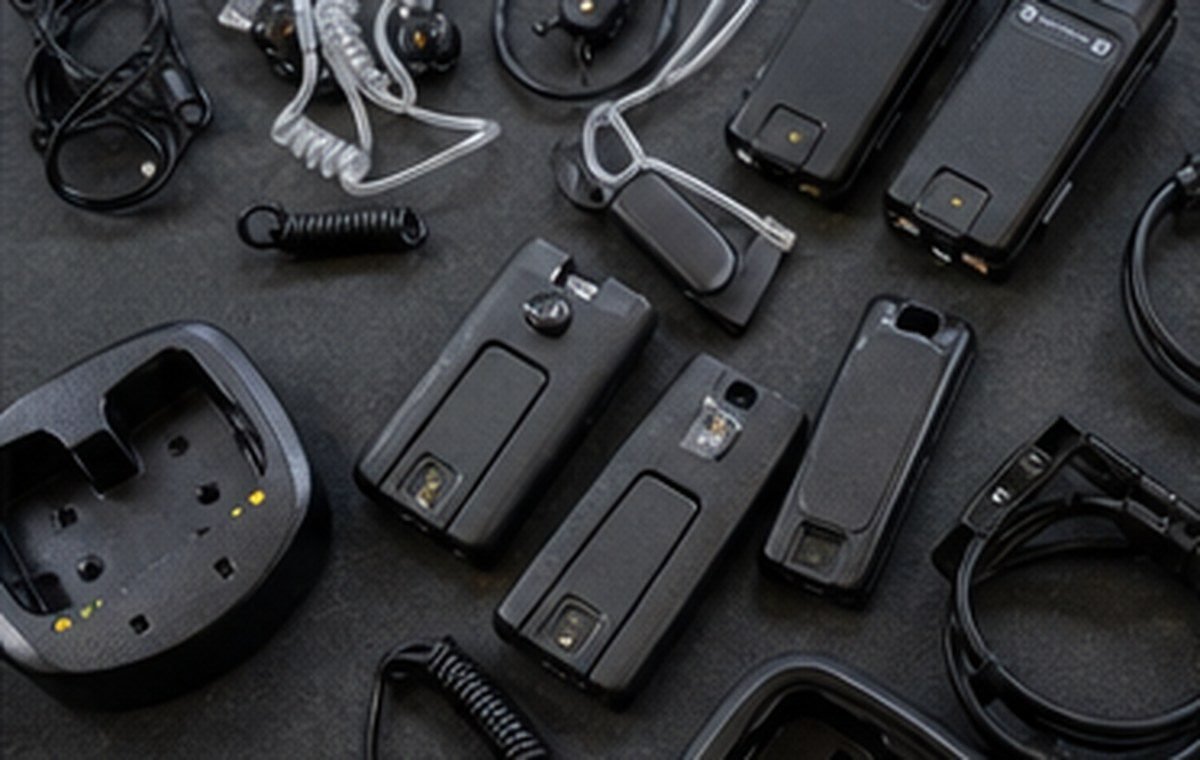
Send Octogen your site layout, user count, shift pattern and audio clarity concerns. The team can recommend a practical radio count, channel plan, accessories and coverage test for Malaysian operations.